


What's Happening?
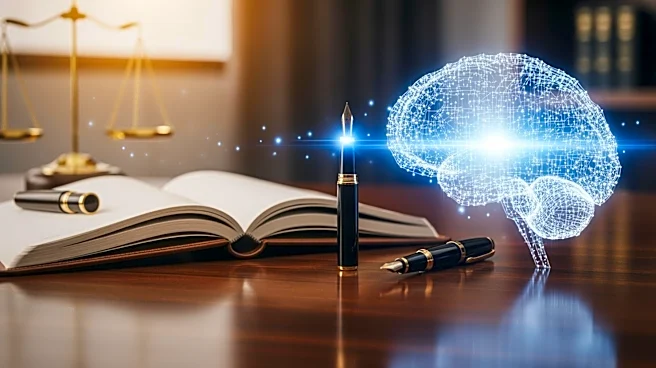
Patent lawyers are increasingly advising clients on the use of artificial intelligence (AI) in the invention disclosure process to avoid potential legal pitfalls. As AI tools become more prevalent in drafting invention disclosures, they present challenges
related to inventorship and public disclosure. The U.S. Patent and Trademark Office (PTO) currently does not recognize AI as a joint inventor, relying on pre-AI laws. This creates uncertainty for inventors who heavily use AI, as future PTO rules could require detailed records of human contributions. Additionally, using AI platforms for sensitive invention details risks inadvertent public disclosure, which can destroy patentability and waive trade secret protection. Recent court cases have highlighted these risks, emphasizing the importance of using enterprise-level AI accounts with strict privacy protections.
Why It's Important?
The integration of AI in patent processes has significant implications for intellectual property rights. As AI tools streamline drafting, they also complicate the legal landscape, potentially affecting inventorship claims and patent validity. For U.S. businesses and inventors, understanding these risks is crucial to maintaining competitive advantage and protecting innovations. The legal community's guidance on AI use is vital to navigate these complexities, ensuring that technological advancements do not undermine patent rights. This issue is particularly relevant as AI continues to evolve, potentially prompting regulatory changes that could impact how inventions are patented and protected.
What's Next?
Patent attorneys are likely to continue refining their advice on AI use, emphasizing the importance of documenting human contributions to inventions. As the PTO and courts address AI-related challenges, new guidelines and regulations may emerge, affecting how inventors and businesses approach patent filings. Companies may need to invest in secure AI platforms and develop internal policies to manage AI-assisted disclosures effectively. The legal community will play a critical role in shaping these practices, ensuring that AI advancements align with existing intellectual property laws.
Beyond the Headlines
The ethical and legal dimensions of AI in patent law extend beyond immediate risks. As AI tools become more sophisticated, questions about the nature of creativity and ownership in the digital age arise. The balance between leveraging AI for innovation and maintaining human oversight is a critical consideration for policymakers and legal professionals. Long-term, the integration of AI in patent processes could lead to broader discussions about the role of technology in shaping intellectual property frameworks and the need for international cooperation in setting standards.