




What's Happening?
The rise of viral food trends on TikTok is leading to global shortages of certain ingredients, such as ube and pistachios. These trends create sudden spikes in demand that the supply chain struggles to meet, particularly when production is concentrated
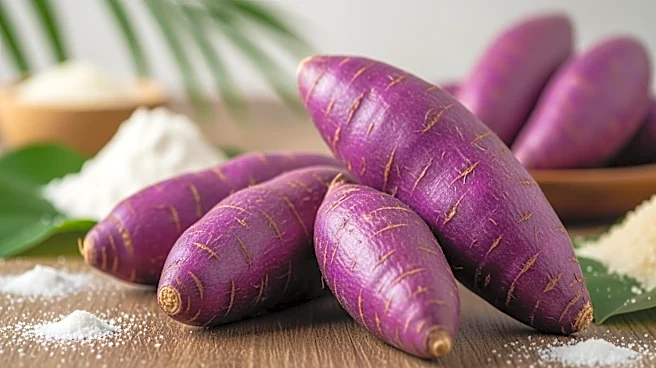
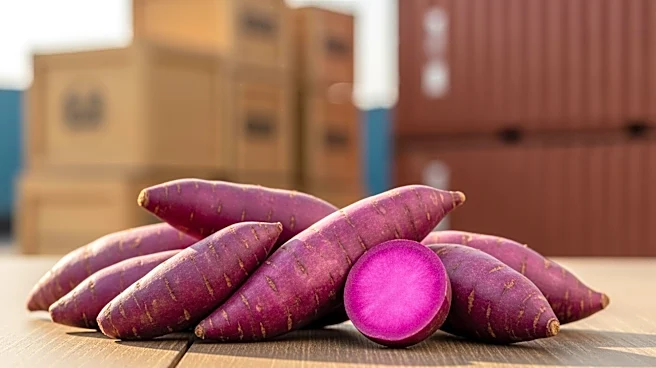
in specific regions. For example, the Philippines is the primary producer of ube, and the sudden demand has led to shortages. Companies are advised to map concentration risks in their supply chains and maintain flexibility in product formats to better manage these demand surges. Fast communication and quality control are essential to turning viral demand into a positive reputation for companies.
Why It's Important?
The impact of TikTok on food trends highlights the power of social media in shaping consumer demand and the challenges it poses to supply chains. Companies that can quickly adapt to these trends stand to gain a competitive advantage, while those that cannot may face supply shortages and reputational damage. The ability to manage concentration risks and maintain supply chain flexibility is crucial for businesses to capitalize on these trends. This situation underscores the need for companies to develop contingency plans and invest in supply chain resilience to handle unexpected demand spikes.
What's Next?
As TikTok continues to influence consumer behavior, companies will need to enhance their supply chain strategies to anticipate and respond to viral trends. This may involve diversifying supply sources, investing in technology to improve supply chain visibility, and fostering strong relationships with suppliers. Companies that successfully navigate these challenges can strengthen their market position and build consumer trust. The industry may also see increased collaboration between companies and social media platforms to better predict and manage demand trends.