



What's Happening?
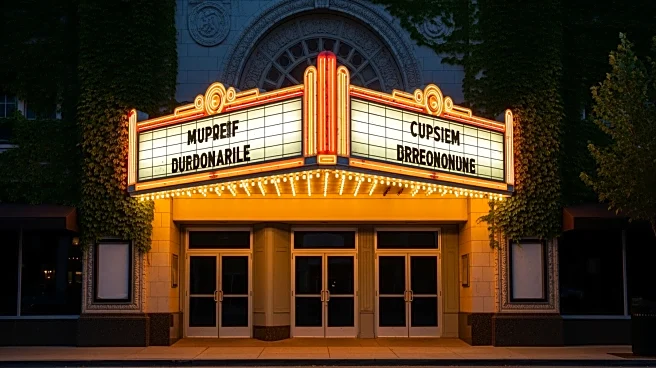
Kristen Stewart, the Oscar-nominated actress, has purchased the historic Highland Theatre located in the Highland Park neighborhood of Los Angeles. Stewart, who made her feature directorial debut last year, aims to transform the 100-year-old building into a community-centric space. The Highland Theatre, originally opened in 1925 and designed by architect Lewis Arthur Smith, has undergone various transformations over the decades, including a stint as an adult movie theater in the 1970s. It struggled to recover post-COVID-19 pandemic and closed its doors in 2024. Stewart expressed her fascination with old theaters and her desire to restore the building while introducing new ideas to the neighborhood and the broader Los Angeles film community.
She envisions the theater as a gathering place that moves beyond traditional cinema experiences, offering a space for community engagement and cultural enrichment.
Why It's Important?
Stewart's acquisition of the Highland Theatre represents a significant cultural investment in the Los Angeles community. By revitalizing a historic venue, she aims to create a space that not only preserves the architectural heritage but also serves as a hub for community activities and cultural exchange. This initiative could inspire similar projects, encouraging the preservation and adaptive reuse of historic buildings across the U.S. Furthermore, Stewart's project highlights a shift in the entertainment industry towards more community-focused and inclusive spaces, potentially influencing how cultural venues are developed and utilized in the future. The project also underscores the importance of supporting local communities and fostering environments where creativity and collaboration can thrive.
What's Next?
Stewart plans to restore the Highland Theatre's architectural details while integrating new elements that reflect contemporary cultural needs. The project aims to create a 'new school' of thought, focusing on community involvement and innovative cultural programming. As the restoration progresses, Stewart may collaborate with local artists, filmmakers, and community leaders to develop programming that resonates with the neighborhood's diverse population. The success of this project could lead to increased interest in similar community-driven initiatives, potentially attracting investment and support from both public and private sectors. Stakeholders in the entertainment and cultural sectors will likely monitor the project's development, assessing its impact on community engagement and cultural preservation.