


What's Happening?
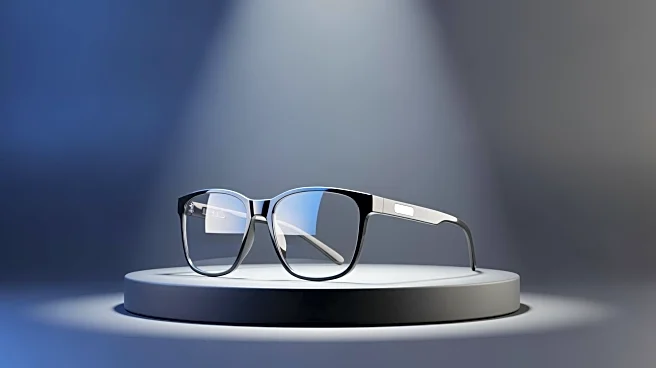
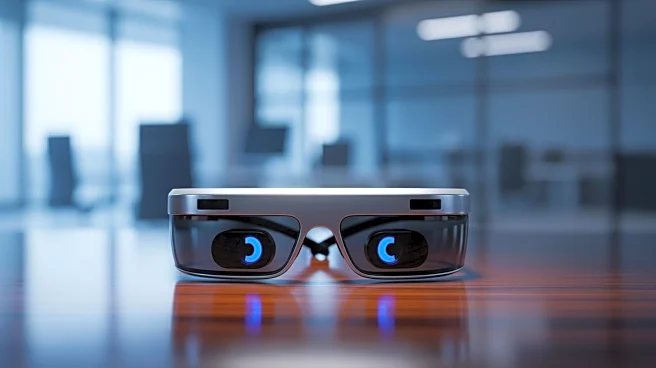
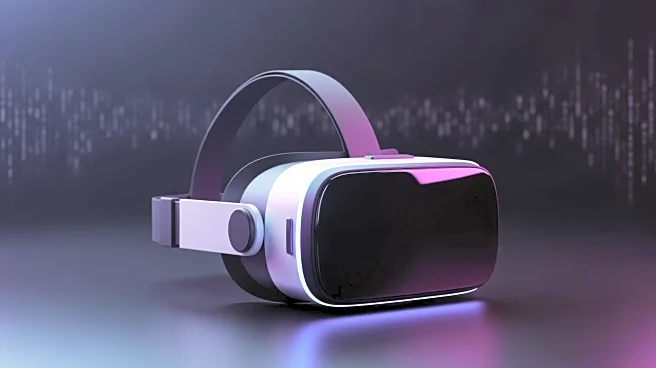
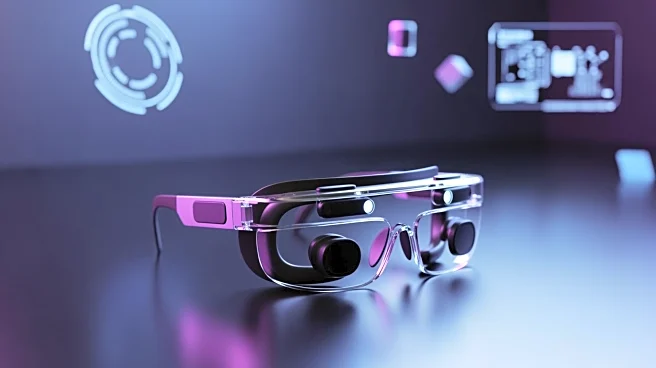
Graphics depicting Meta's upcoming ultralight headset, codenamed Phoenix, have been discovered in the Quest firmware by dataminers Luna and Samulia. The images, although low in resolution, show a compact headset with glasses-style nose pads, differing
from the traditional VR face pad design. The Phoenix headset is expected to weigh less than 110 grams and will feature a tethered compute puck running Horizon OS, the operating system for Quest headsets. The device is also anticipated to include eye tracking capabilities, similar to the Apple Vision Pro, enabling a gaze-and-pinch input system. Meta's internal memos suggest a potential launch in the first half of 2027, although the company's hardware roadmap is known for frequent changes, with devices often being canceled or delayed before release.
Why It's Important?
The development of Meta's Phoenix headset signifies a significant advancement in the virtual reality and mixed reality sectors. By incorporating features like eye tracking and a lightweight design, Meta aims to enhance user experience in productivity and entertainment applications. This move could position Meta as a strong competitor against other tech giants like Apple, which has already integrated similar technologies in its products. The introduction of such advanced headsets could drive innovation in VR and AR applications, potentially transforming how users interact with digital environments. This could have broad implications for industries ranging from gaming to remote work, as well as educational and training programs that utilize VR technology.
What's Next?
As Meta continues to develop the Phoenix headset, the tech community will be watching for further leaks or official announcements regarding its features and release date. The company's history of altering its hardware plans suggests that stakeholders should remain cautious about the timeline and final specifications. If the Phoenix headset successfully launches, it could prompt other companies to accelerate their own VR and AR developments, leading to increased competition and innovation in the market. Additionally, consumer and industry reactions will likely influence Meta's future strategies in the VR space.