



What's Happening?
The advanced farming market is experiencing significant growth, projected to expand from USD 20,547.84 million in 2025 to USD 30,896.35 million by 2032, with a compound annual growth rate of 6.0%. This growth is driven by the integration of automation,
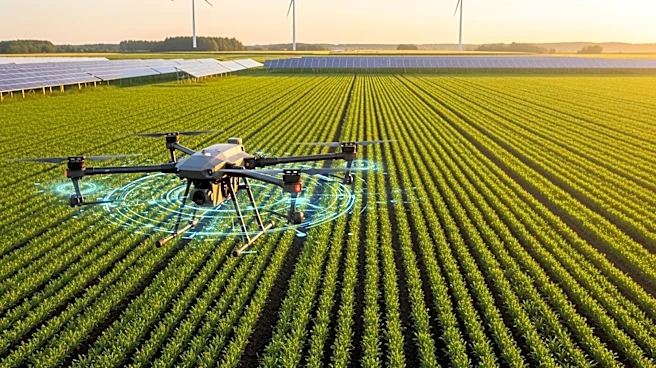
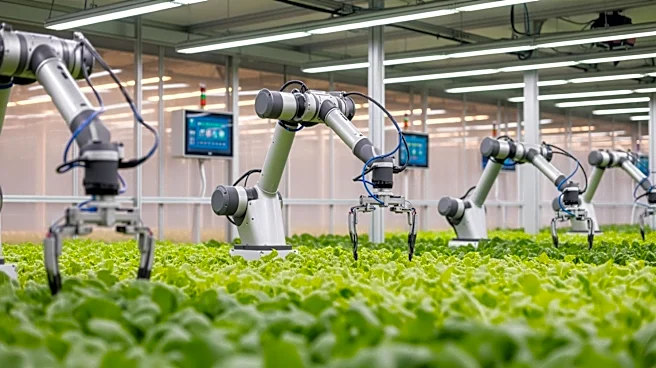
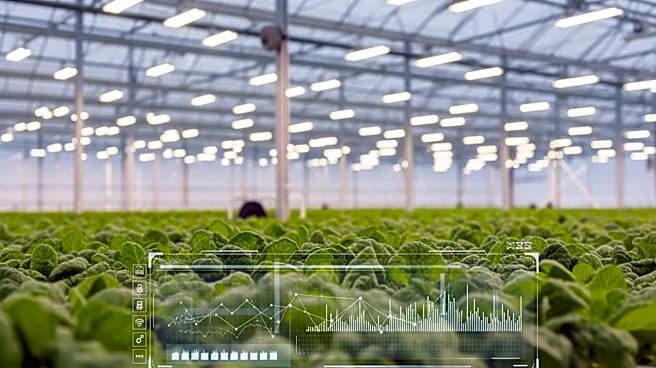
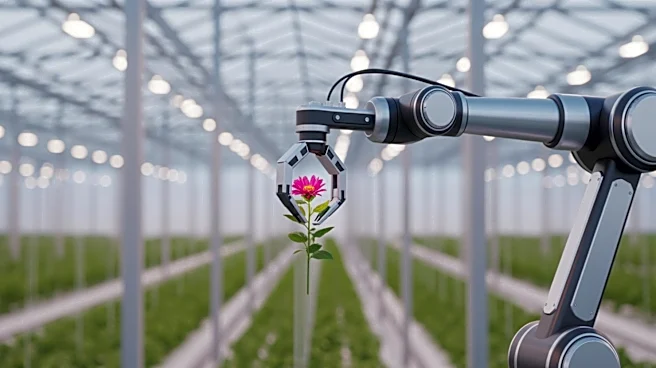
artificial intelligence, and data analytics in agriculture, aimed at increasing efficiency and sustainability. The need for higher crop productivity due to a growing global population and limited arable land is pushing farmers to adopt precision agriculture tools, GPS-guided machinery, and AI-powered analytics. These technologies help optimize planting, fertilization, and harvesting processes, reducing input wastage and ensuring uniform crop growth. Labor shortages, exacerbated by urban migration and demographic changes, are also propelling the adoption of autonomous tractors, robotic harvesters, and smart irrigation systems to maintain crop quality and maximize output.
Why It's Important?
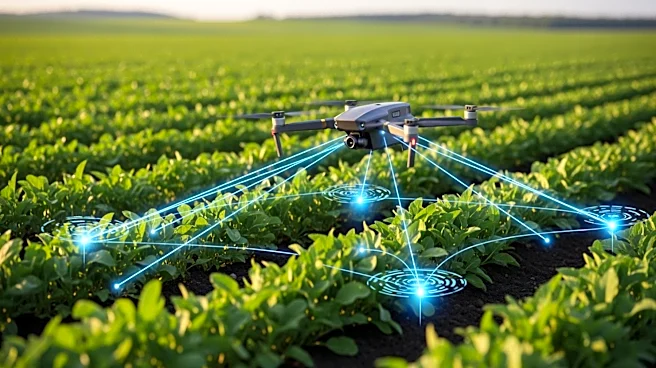
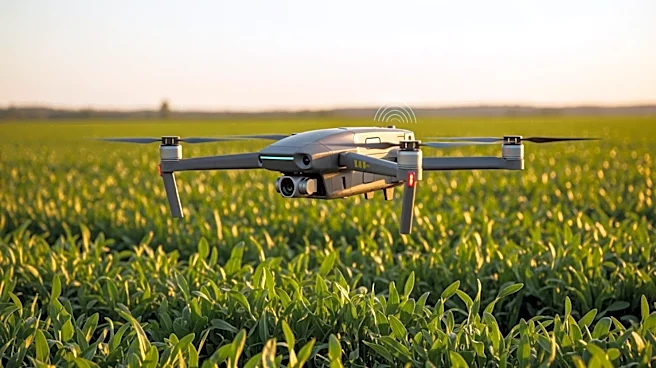
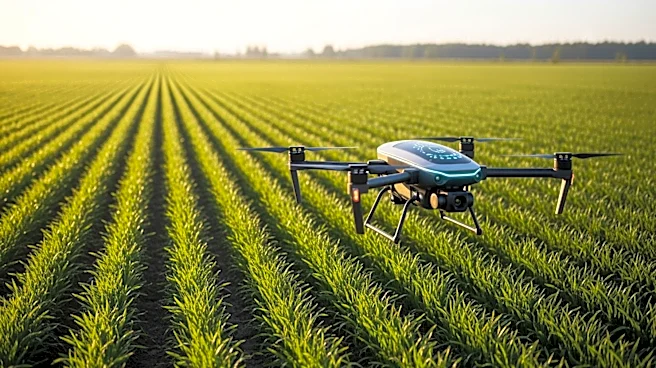
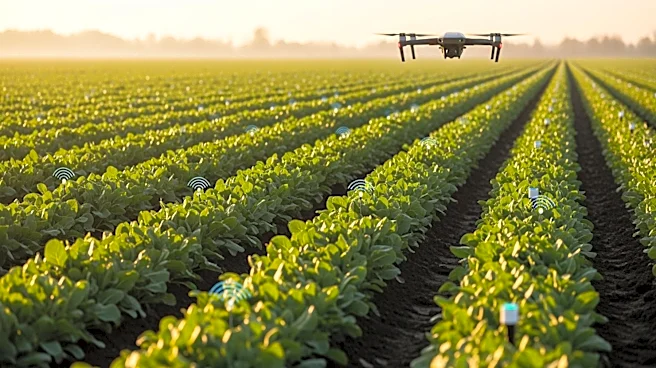
The adoption of advanced farming technologies is crucial for addressing the challenges of labor shortages and the need for increased agricultural productivity. As manual labor becomes scarce and expensive, automation and mechanization offer a solution to maintain operational efficiency and crop quality. These technologies not only enhance productivity but also ensure timely execution of farming activities, which is vital for meeting global food demand. The integration of real-time field intelligence through connected sensors, satellite imagery, and drone-based monitoring systems allows for early detection of diseases and nutrient deficiencies, reducing the risk of crop failure. Additionally, smart irrigation solutions are essential for water management, particularly in regions facing climate stress and water scarcity, further driving market growth.
What's Next?
The future of the advanced farming market will likely see increased adoption of technologies such as AI, machine learning, and big data analytics to further enhance precision and efficiency in farming operations. Autonomous systems and robotics are expected to play a larger role in reducing labor dependency and improving productivity. Sustainability will remain a key focus, with technologies supporting efficient use of resources and climate-smart agriculture solutions gaining importance. Government initiatives and policy support will be crucial in driving market growth, with investments in agricultural infrastructure and research facilitating the adoption of advanced farming technologies.