





What's Happening?
Eight U.S. solar manufacturing companies have petitioned the U.S. Department of Commerce to investigate alleged unfair trade practices involving solar products assembled in Ethiopia using Chinese components. The companies, including major firms like First
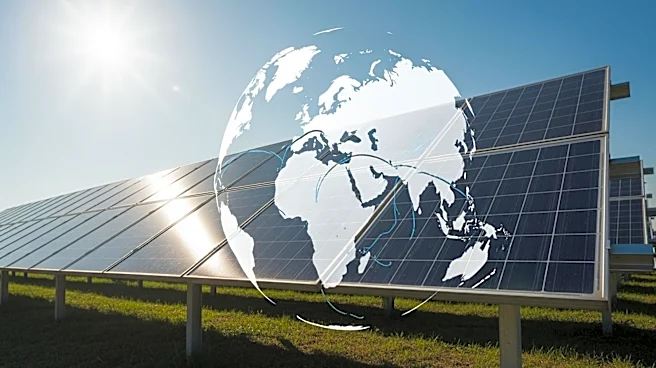
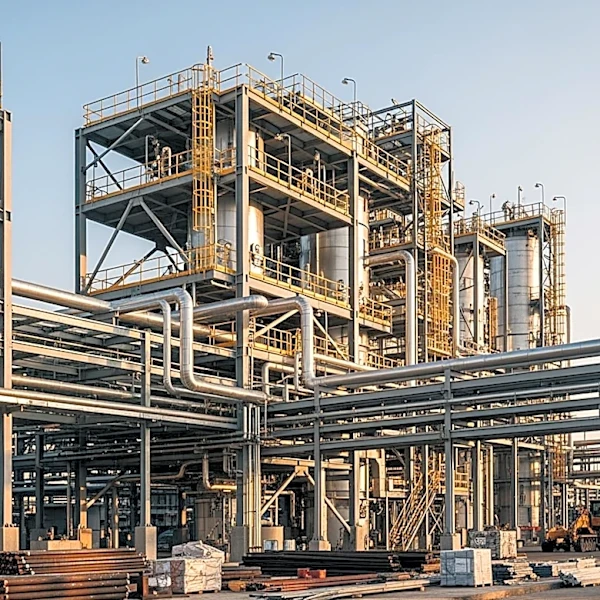
Solar and Q-Cells, claim that Chinese manufacturers are circumventing U.S. tariffs by relocating production to Ethiopia. This move reportedly allows them to avoid antidumping and countervailing duties imposed on Chinese solar products. The petition highlights a significant increase in U.S. imports of Ethiopian solar products, which surged from nearly zero before June 2025 to $300 million by December 2025. This case is part of a broader pattern where U.S. manufacturers have accused Chinese companies of using third countries to bypass trade restrictions.
Why It's Important?
The petition underscores ongoing tensions in international trade, particularly in the renewable energy sector. If the allegations are confirmed, it could lead to further trade restrictions and duties on solar products, impacting the cost and availability of solar technology in the U.S. This situation highlights the challenges faced by domestic manufacturers in competing with international companies that may exploit loopholes in trade policies. The outcome of this investigation could influence future trade relations between the U.S. and China, as well as affect the global supply chain for solar products. It also raises questions about the effectiveness of current trade policies in protecting domestic industries from unfair competition.
What's Next?
The U.S. Department of Commerce is expected to review the petition and decide whether to initiate a formal investigation. If an investigation is launched, it could lead to the imposition of additional duties on solar products imported from Ethiopia. This decision will be closely watched by stakeholders in the solar industry, as it could set a precedent for how similar cases are handled in the future. Additionally, the outcome may prompt other countries to reassess their trade practices and policies to prevent similar circumvention tactics.