



What's Happening?
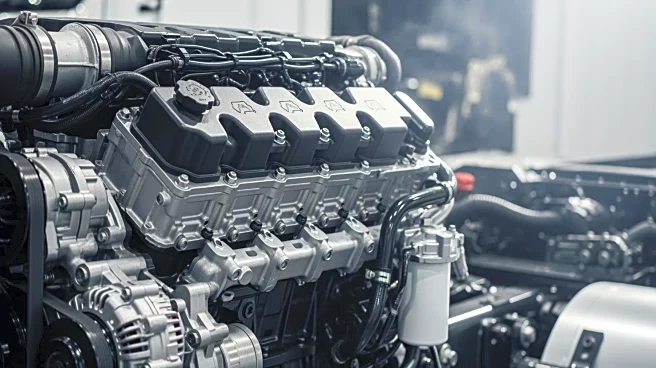
Despite advancements in alternative energy sources, diesel engines continue to be the backbone of the trucking industry. Modern clean diesel trucks have achieved a 99% reduction in key pollutants compared to the 1980s, meeting stringent 2027 EPA NOx reduction regulations.
Manufacturers like DTNA and International Motors are developing next-generation diesel engines to comply with these standards while ensuring fleet profitability. The trucking industry faces challenges in balancing regulatory demands with economic viability, as fleets must remain affordable for operators.
Why It's Important?
The continued reliance on diesel engines underscores their importance in maintaining the efficiency and profitability of the U.S. supply chain. As the industry works to meet environmental regulations, the cost of compliance remains a significant concern. The ability of manufacturers to innovate and produce cleaner diesel engines is crucial for the industry's sustainability. This development also highlights the ongoing debate between regulatory requirements and market-driven solutions in achieving environmental goals.
What's Next?
As the 2027 EPA mandate approaches, the trucking industry will need to adapt to new technologies and regulatory standards. Manufacturers are likely to continue investing in research and development to improve diesel engine efficiency and reduce emissions further. The success of these efforts will depend on collaboration between industry stakeholders and policymakers to ensure that environmental objectives are met without compromising economic viability. The trucking industry will also need to address the potential need for a new generation of skilled technicians to maintain advanced diesel engines.