





What's Happening?
The airline industry is increasingly focusing on premium customers, as evidenced by the recent bankruptcy of Spirit Airlines, a major budget carrier. With Spirit's exit, budget travelers have fewer options and are being pushed towards premium carriers
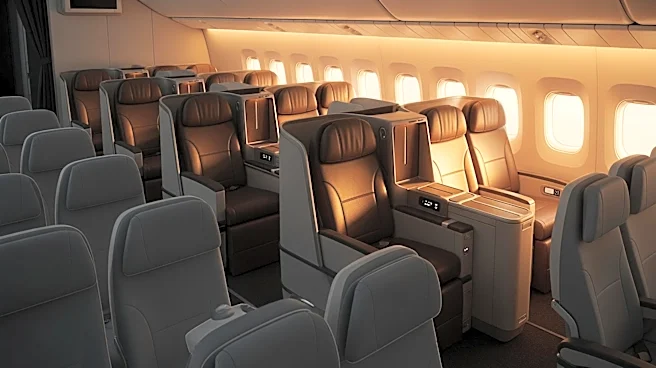
like United, American, Delta, and JetBlue. These airlines are expanding their premium offerings, such as lie-flat business class cabins and premium economy seats, while reducing the availability of traditional economy seats. This shift is driven by a decrease in the number of economy travelers and an increase in demand from higher-income passengers who are willing to pay more for enhanced services.
Why It's Important?
This trend reflects broader economic shifts, where the wealth gap is influencing consumer behavior and business strategies. As airlines cater more to affluent travelers, the middle and lower-income passengers may find air travel less accessible, potentially widening the socio-economic divide. The focus on premium services could lead to higher overall ticket prices, affecting affordability for the average traveler. This change in strategy also highlights the airlines' need to maximize profitability by targeting the most lucrative customer segments, which could reshape the future of air travel.
What's Next?
With the reduction of budget options, airlines may face pressure to balance their offerings to avoid alienating economy travelers completely. There could be a push for regulatory scrutiny if the market becomes less competitive and prices rise significantly. Additionally, airlines might explore innovative ways to enhance the economy class experience to retain customer loyalty. The industry will need to navigate these changes carefully to maintain a diverse customer base while maximizing revenue from premium services.