






What's Happening?
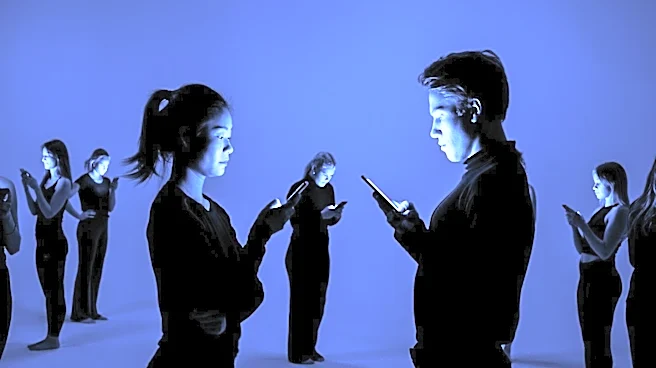
The phenomenon of performance anxiety, traditionally associated with stage fright, is increasingly prevalent in everyday life due to the pervasive influence of smartphones and social media. These technologies have transformed users into constant performers,
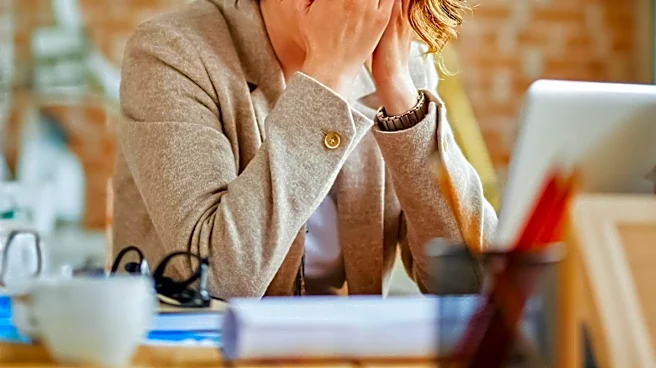
leading to heightened self-consciousness and anxiety. The article discusses how the pressure to maintain a perfect public persona on social media platforms has blurred the lines between personal and public life, making individuals feel like they are always on stage. This constant need to perform can lead to exhaustion and a desire for environments where one can be free from scrutiny.
Why It's Important?
This development highlights a significant cultural shift where the boundaries between private and public life are increasingly blurred. The pressure to perform can have profound psychological effects, contributing to increased anxiety and stress levels among individuals. This trend is particularly concerning for younger generations who are growing up in a digital-first world. The societal implications are vast, affecting mental health, social interactions, and even consumer behavior as people strive to curate their lives for public consumption. Understanding this shift is crucial for addressing the mental health challenges it poses.
What's Next?
As awareness of the impact of digital performance anxiety grows, there may be increased calls for digital literacy and mental health support to help individuals navigate the pressures of online life. Social media platforms might face pressure to implement features that promote healthier interactions and reduce the emphasis on performance. Additionally, there could be a cultural push towards valuing authenticity over curated personas, encouraging individuals to engage more genuinely both online and offline. Policymakers and mental health professionals may need to collaborate to address these emerging challenges.