
What's Happening?
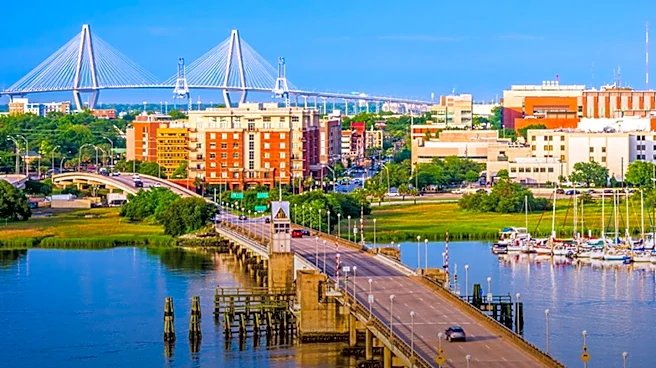
Charleston, South Carolina, renowned for its Southern hospitality, is a prime destination for group travelers seeking a blend of city life and lowcountry charm. The city offers a variety of Airbnb accommodations
that capture its historic and architectural essence. These rentals provide an authentic experience of Charleston's rich history, with options ranging from Georgian and Victorian homes to modern dwellings. Popular areas for these accommodations include Cannonborough Elliotborough, known for its proximity to King Street, as well as Harleston Village and Wagener Terrace. These neighborhoods offer a mix of convenience and style, making them ideal for visitors looking to explore Charleston's vibrant nightlife, cuisine, and beaches.
Why It's Important?
The availability of diverse Airbnb options in Charleston underscores the city's appeal as a top destination for group travel, including spring break and bachelorette weekends. This trend highlights the growing preference for vacation rentals over traditional hotels, driven by the desire for more space and a unique, local experience. The economic impact on Charleston is significant, as increased tourism boosts local businesses, from restaurants to cultural attractions. Additionally, the popularity of Airbnb rentals reflects broader shifts in travel preferences, where authenticity and personalized experiences are increasingly valued by travelers.
What's Next?
As Charleston continues to attract tourists, the demand for Airbnb accommodations is likely to grow, prompting potential regulatory considerations by local authorities to balance tourism with community interests. This could involve discussions on zoning laws, taxation, and the impact on housing availability for residents. Stakeholders, including local businesses and tourism boards, may collaborate to ensure sustainable tourism that benefits both visitors and the local community.
Beyond the Headlines
The rise of Airbnb in Charleston also raises questions about the preservation of historic neighborhoods and the potential for gentrification. As more properties are converted into short-term rentals, there is a risk of altering the character of these communities. This development calls for a careful approach to urban planning and heritage conservation, ensuring that the city's cultural and architectural legacy is maintained while accommodating modern tourism demands.