



What's Happening?
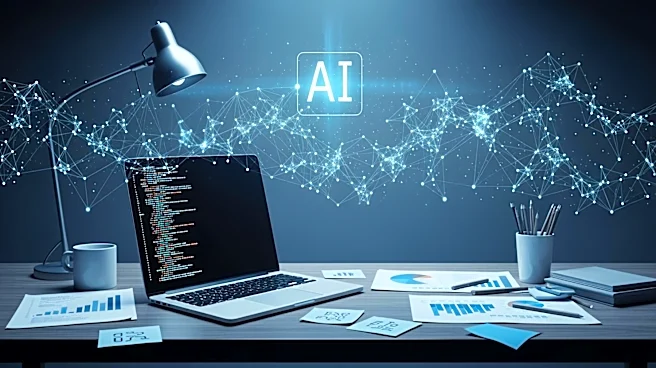
A new study by the Taub Center for Social Policy Studies in Israel reveals that artificial intelligence (AI) is contributing to rising unemployment among programmers and sales workers. The study indicates that AI is responsible for approximately 15% of
the increase in unemployment in programming roles and 18% among telemarketing workers. The impact is particularly pronounced in high-tech and finance sectors, where employers have reported staffing reductions due to AI adoption. The study also highlights a growing preference for experienced workers, making it increasingly difficult for junior employees to enter the field.
Why It's Important?
The findings of the study underscore the transformative impact of AI on the labor market, particularly in sectors traditionally characterized by high demand and low unemployment rates. As AI continues to automate tasks and enhance productivity, it is reshaping workforce dynamics and creating challenges for certain job categories. The shift towards experienced workers could exacerbate employment disparities and limit opportunities for new entrants. Policymakers and industry leaders will need to address these challenges to ensure a balanced and inclusive labor market.
What's Next?
As AI adoption continues to grow, industries may need to invest in reskilling and upskilling initiatives to help workers adapt to changing job requirements. Educational institutions and training programs could play a crucial role in preparing the workforce for AI-driven transformations. Additionally, policymakers may consider implementing measures to support displaced workers and promote equitable access to employment opportunities. The ongoing evolution of the labor market will require a collaborative approach to address the challenges and opportunities presented by AI.