





What's Happening?
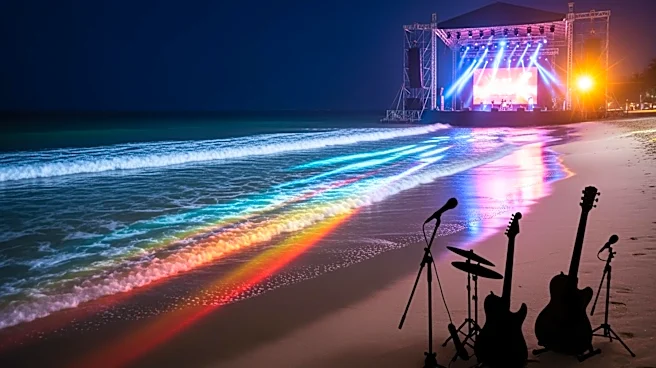
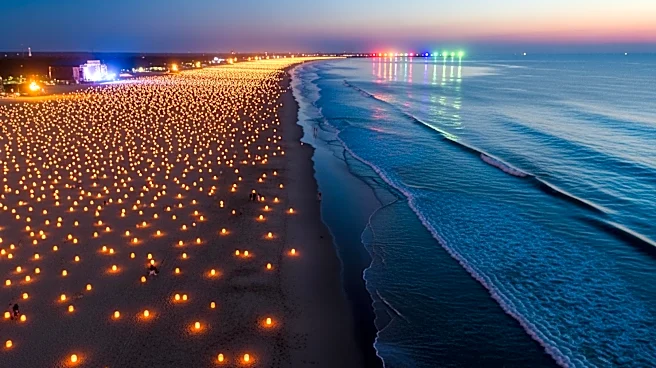
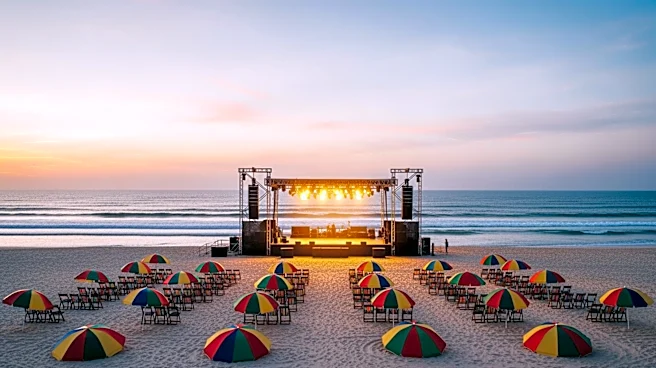
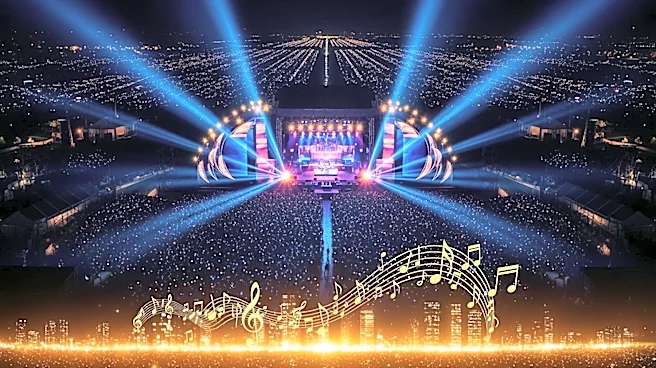
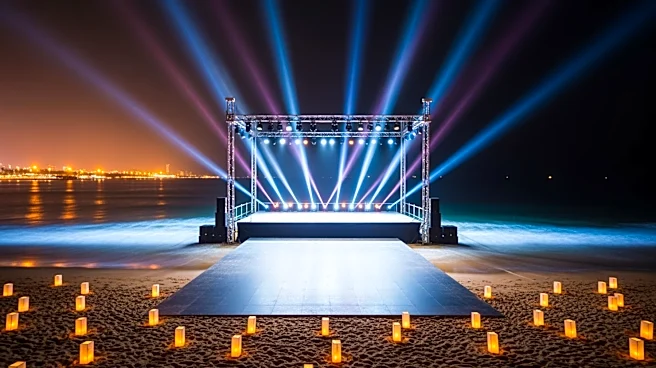
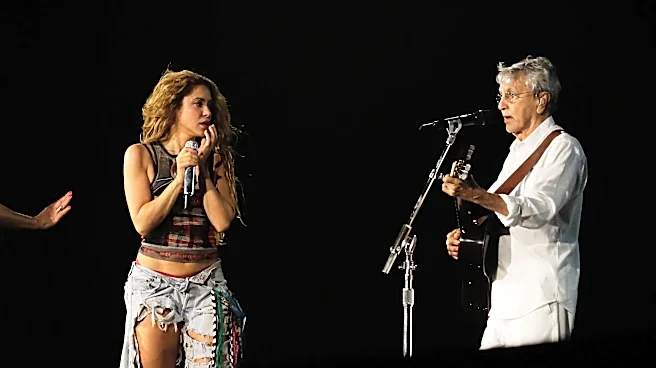
On May 2, 2026, the iconic Copacabana Beach in Rio de Janeiro was transformed into a massive concert venue as fans of Colombian singer Shakira, known as the 'wolfpack,' gathered for a free performance. This event was part of the 'Todo Mundo no Rio' project,
which has previously featured artists like Madonna and Lady Gaga. Thousands of fans, including international visitors, congregated outside the Copacabana Palace, where Shakira was staying, eagerly awaiting the concert. The event saw fans dressed in costumes inspired by Shakira's past performances, including her 2020 Super Bowl outfit. The concert not only attracted human fans but also saw a playful moment where a Golden Retriever, dressed in a Shakira-inspired costume, became a crowd favorite. Street vendors capitalized on the event by selling Shakira-themed merchandise, contributing to the local economy.
Why It's Important?
The concert highlights the cultural impact and global reach of Shakira as an artist, drawing fans from various countries to Rio de Janeiro. It underscores the significance of free public events in making cultural experiences accessible to a broader audience, particularly those who may not afford traditional concert tickets. The event also boosts local tourism and the economy, as vendors and businesses benefit from the influx of visitors. Additionally, the 'Todo Mundo no Rio' project continues to position Rio as a hub for major international music events, enhancing its cultural prestige and attracting future tourism and investment.
What's Next?
The success of Shakira's concert sets a precedent for future events under the 'Todo Mundo no Rio' project, which is already confirmed for 2027 and 2028. This ongoing series is likely to continue attracting high-profile artists, further boosting Rio's reputation as a global music destination. The positive reception and economic benefits may encourage local authorities and organizers to expand similar initiatives, potentially increasing the frequency and scale of such events. Stakeholders, including local businesses and tourism boards, may advocate for more frequent concerts to sustain economic growth and cultural engagement.