






What's Happening?
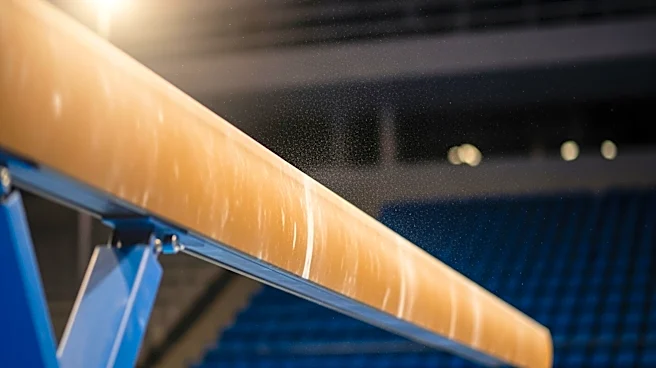
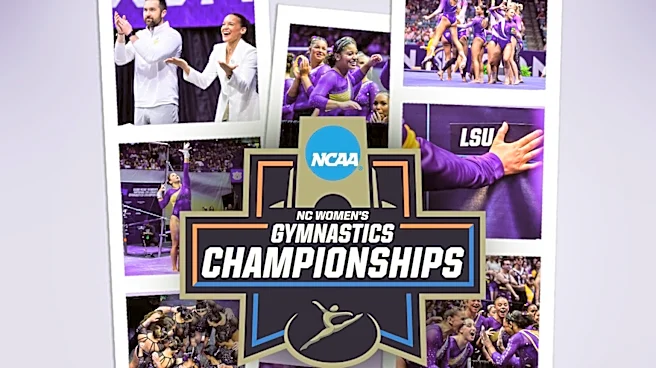
The 2026 NCAA Gymnastics Championships are set to take place in Fort Worth, Texas, featuring the top eight collegiate teams in the nation. The competition begins with two National Semifinals on April 16, where four teams will compete in each semifinal,
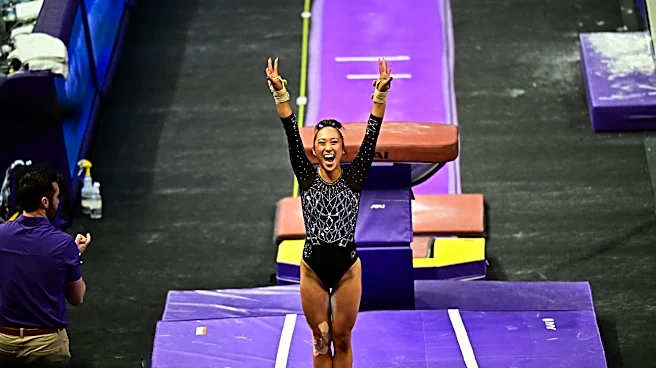
and the top two finishers will advance to the National Championship. This year's lineup includes traditional powerhouses like Oklahoma, LSU, Florida, and UCLA, alongside rising programs such as Georgia, Stanford, Arkansas, and Minnesota. The event is marked by a trend of increasing scores, with perfect tens becoming more common due to heightened visibility and the influence of Name, Image, and Likeness (NIL) agreements. Despite efforts by the Women's Collegiate Gymnastics Association to standardize scoring through a new evaluation system, the program remains in its pilot stage, and scoring inflation continues to be a topic of debate.
Why It's Important?
The growing popularity of NCAA gymnastics, driven by increased media coverage and the allure of perfect scores, is reshaping the sport's landscape. This trend has significant implications for the athletes, who benefit from greater exposure and potential NIL opportunities. However, the scoring inflation raises concerns about the integrity of the competition, as it may undermine the sport's credibility and the value of achieving a perfect score. The situation highlights the challenges of balancing entertainment value with fair competition, a dilemma that could influence future policies and the sport's development. Stakeholders, including athletes, coaches, and governing bodies, must navigate these dynamics to ensure the sport's continued growth and integrity.
What's Next?
As the 2026 NCAA Gymnastics Championships unfold, the focus will be on whether the current scoring trends will persist or if efforts to standardize evaluations will gain traction. The outcome of the championships could prompt further discussions among stakeholders about the need for reform in scoring practices. Additionally, the continued rise in popularity may lead to increased investment in the sport, potentially enhancing facilities, training programs, and athlete support. The gymnastics community will be watching closely to see how these developments impact the sport's future and whether the balance between entertainment and fair competition can be achieved.
Beyond the Headlines
The ongoing debate over scoring practices in NCAA gymnastics reflects broader cultural and ethical questions about the commercialization of college sports. As athletes gain more visibility and financial opportunities through NIL agreements, the pressure to perform and achieve high scores intensifies. This dynamic raises concerns about the potential exploitation of young athletes and the prioritization of entertainment over athletic integrity. The situation underscores the need for transparent and equitable policies that protect athletes' interests while maintaining the sport's competitive spirit. The outcome of these discussions could have lasting implications for the governance of college athletics and the role of commercial interests in shaping sports culture.