




What's Happening?
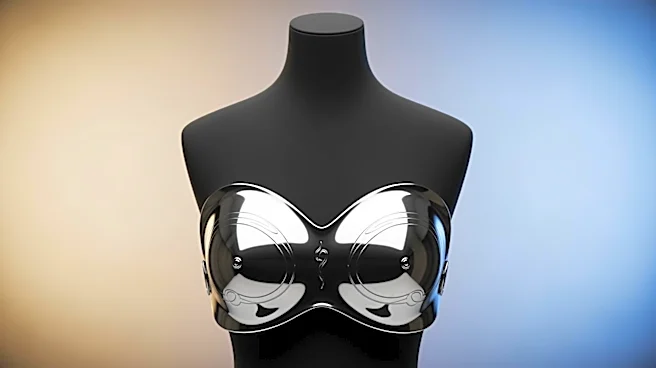
The fashion industry has long been fascinated with breastplates, a trend that began in 1969 when Yves Saint Laurent introduced them on the runway. These sculptural pieces have since been reimagined by various designers, including Thierry Mugler and Alexander
McQueen, and have become a staple in high fashion. The 2026 Met Gala, themed 'Costume Art,' highlights the breastplate's role as a bridge between fashion and fine art. This year's event underscores the garment's historical significance and its continued popularity among designers and celebrities, such as Zendaya and Rihanna, who have donned breastplates at major events.
Why It's Important?
The enduring popularity of breastplates in fashion reflects the industry's ongoing exploration of the intersection between art and clothing. This trend highlights the creative potential of fashion as a form of artistic expression, challenging traditional boundaries and encouraging innovation. The breastplate's presence at high-profile events like the Met Gala elevates its status as a symbol of avant-garde fashion, inspiring designers to push the limits of conventional garment design. This trend also influences consumer perceptions, encouraging a broader appreciation for fashion as an art form and potentially driving demand for unique, statement pieces.
Beyond the Headlines
The breastplate's role in fashion extends beyond aesthetics, touching on themes of empowerment and identity. As a garment historically associated with armor, the breastplate can symbolize strength and protection, resonating with contemporary cultural narratives around empowerment and self-expression. Its use in fashion also raises questions about the relationship between the body and clothing, inviting discussions on body image and the representation of femininity. As designers continue to experiment with this iconic piece, the breastplate may inspire new dialogues about the role of fashion in shaping cultural and social identities.