





What's Happening?
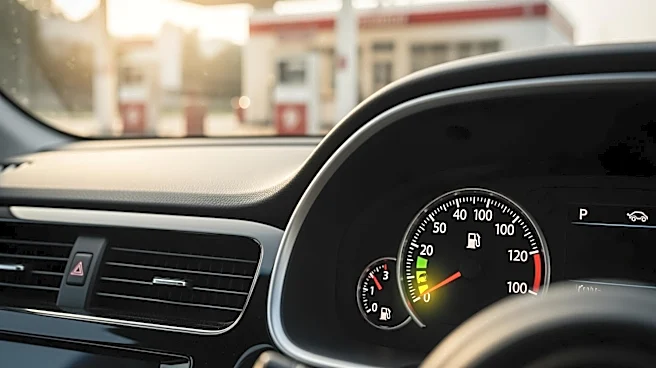
Consumer Reports has emphasized the significance of selecting the right vehicle to mitigate the financial impact of high gas prices. With fuel costs straining budgets, the organization advises consumers to consider fuel efficiency as a critical factor
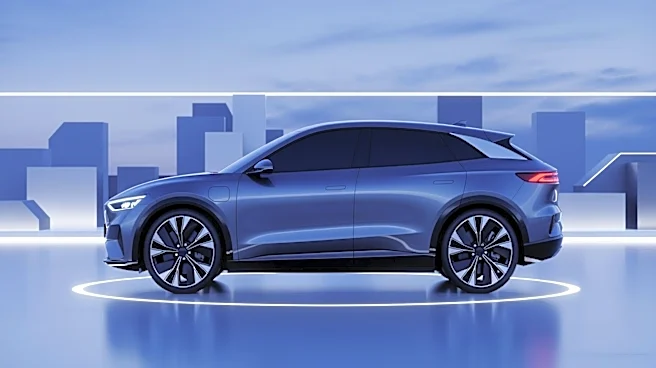
when purchasing a new car. Keith Barry, an auto expert at Consumer Reports, suggests that buyers should focus on vehicles that align with their daily driving needs rather than opting for larger, less efficient models. The report highlights that hybrid vehicles, which are available in various sizes and styles, offer a balance of performance and fuel savings. Although hybrids may have a higher initial cost, the savings on fuel can offset this difference within a year or two. Additionally, the report notes the availability of used electric vehicles (EVs) at competitive prices, though it cautions buyers to consider total energy costs, including electricity, before making a decision.
Why It's Important?
The guidance from Consumer Reports is crucial as it addresses the economic challenges posed by rising gas prices. By promoting fuel-efficient vehicles, the report aims to help consumers reduce their long-term transportation costs. This advice is particularly relevant as the U.S. continues to grapple with fluctuating energy prices and the broader economic implications of fuel consumption. The emphasis on hybrids and EVs also aligns with environmental goals, as these vehicles typically produce fewer emissions than traditional gas-powered cars. For consumers, the potential savings on fuel can lead to significant financial relief, while the automotive industry may see increased demand for hybrid and electric models. This shift could drive further innovation and investment in sustainable vehicle technologies.
What's Next?
As consumers become more aware of the benefits of fuel-efficient vehicles, the automotive market may experience a shift in demand towards hybrids and EVs. This trend could prompt manufacturers to expand their offerings in these categories, potentially leading to more competitive pricing and improved technology. Additionally, policymakers might consider incentives to encourage the adoption of energy-efficient vehicles, further supporting the transition to a more sustainable transportation system. Consumers are likely to continue evaluating their vehicle choices based on both economic and environmental considerations, influencing future purchasing decisions.