


What's Happening?
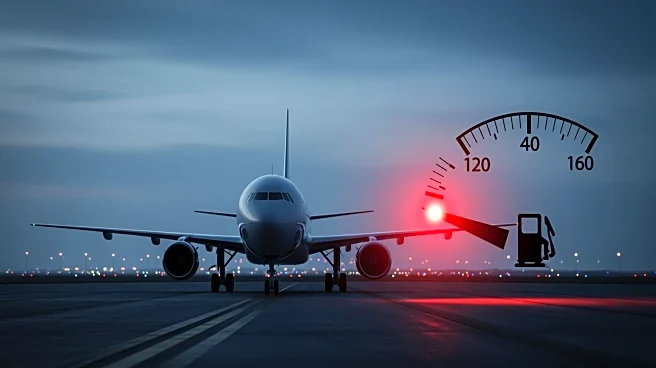
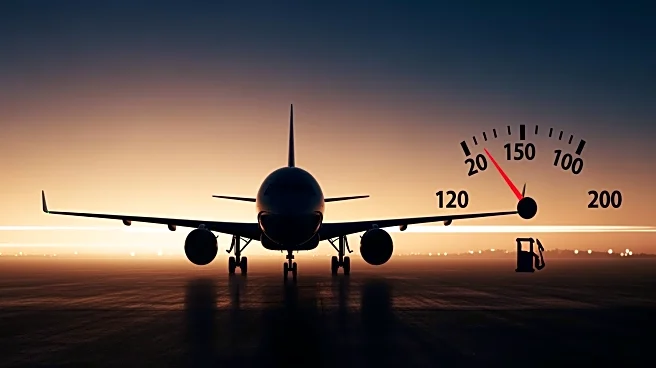
United Airlines Holdings Inc. has issued a warning regarding the impact of rising fuel costs on the aviation industry, attributed to ongoing conflicts in the Middle East. According to United CEO Scott Kirby, the airline is preparing for a scenario where
oil prices could rise to $175 per barrel and remain elevated through 2027. This increase in fuel costs is expected to drive higher operating expenses, prompting United to cut about 5% of its planned capacity. This includes reducing off-peak flights and suspending certain international routes. Despite these challenges, United plans to continue its long-term investments in aircraft deliveries and infrastructure expansion, aiming to maintain a competitive edge if high oil prices persist.
Why It's Important?
The rise in oil prices poses significant challenges for the aviation industry, which heavily relies on fuel. Higher fuel costs can lead to increased ticket prices, reduced flight availability, and potential financial strain on airlines. United's proactive measures to adjust capacity and pricing reflect the broader industry's need to adapt to volatile market conditions. This situation could impact consumer travel behavior, potentially reducing demand for air travel if prices rise significantly. Additionally, the airline's continued investment in infrastructure suggests a strategic approach to weathering economic fluctuations, which could influence industry standards and competitive dynamics.
What's Next?
The future of the aviation industry will largely depend on the duration and severity of oil price increases. Airlines may need to explore alternative strategies, such as fuel hedging or investing in more fuel-efficient technologies, to mitigate costs. Stakeholders, including investors and consumers, will closely monitor how airlines manage these challenges. The potential for prolonged high oil prices could also prompt regulatory discussions on energy policies and their impact on transportation sectors.