





What's Happening?
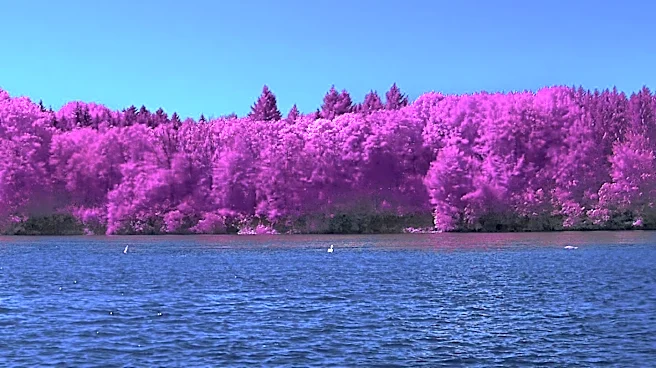
A growing trend in photography involves converting old cameras to capture infrared images, offering a new lease on life for otherwise obsolete equipment. This process involves altering the camera's sensor to be sensitive only to infrared light, which
is invisible to the naked eye but can produce striking visual effects. The conversion can be done through specialized services, such as Pro Tech Photographic in the UK or Kolari Vision in the US. Infrared photography is particularly effective in bright sunlight, creating high-contrast black-and-white images with dramatic skies and bright foliage. This technique allows photographers to explore new creative avenues, transforming old cameras into tools for capturing unique and ethereal images.
Why It's Important?
The practice of converting old cameras for infrared photography highlights a sustainable approach to technology use, reducing electronic waste by repurposing outdated devices. It also opens up new creative possibilities for photographers, allowing them to experiment with a different visual style that is not achievable with standard photography. This trend can influence the photography industry by encouraging innovation and sustainability, as well as providing photographers with cost-effective ways to expand their artistic repertoire. Additionally, it reflects a broader cultural shift towards upcycling and finding new uses for old technology, which can have positive environmental and economic impacts.
What's Next?
As more photographers become aware of the benefits of infrared conversion, the demand for such services may increase, potentially leading to more businesses offering these conversions. This could also inspire camera manufacturers to consider incorporating infrared capabilities into new models, catering to the growing interest in this niche photography style. Furthermore, as the technique gains popularity, it may influence trends in photography competitions and exhibitions, with more artists showcasing infrared work. The continued exploration of infrared photography could also lead to advancements in post-processing techniques and software, enhancing the creative possibilities for photographers.
Beyond the Headlines
The trend of converting cameras for infrared photography also raises questions about the accessibility of such creative techniques. While the conversion process can be costly, it offers a unique opportunity for photographers to differentiate their work in a competitive field. This development may encourage discussions about the value of investing in creative tools and the role of innovation in artistic expression. Additionally, as more photographers share their infrared work, it could inspire a broader appreciation for alternative photographic techniques and the diverse ways in which technology can be repurposed for artistic purposes.