


What's Happening?
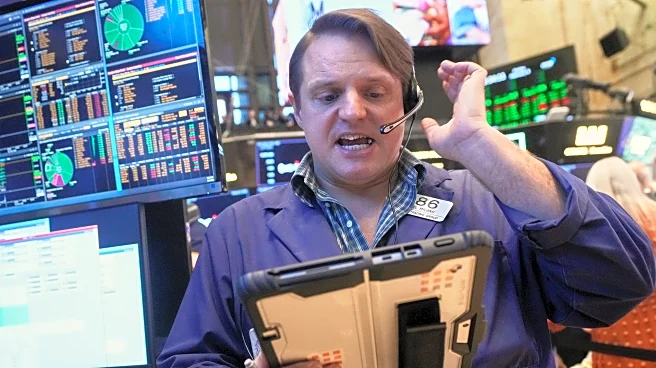
Nasdaq is planning to extend its trading hours to nearly 24 hours a day, five days a week, a move that has sparked debate among Wall Street professionals. The proposal, which Nasdaq intends to submit to the Securities and Exchange Commission, would allow U.S.-listed equities and exchange-traded products to trade for 23 hours each weekday. The current trading schedule includes pre-market trading from 4 a.m. to 9:30 a.m., regular trading from 9:30 a.m. to 4 p.m., and after-hours trading from 4 p.m. to 8 p.m. The new schedule would introduce a 'night session' from 9 p.m. to 4 a.m., with a one-hour pause for maintenance. Critics argue that this change could exacerbate existing market issues such as thin liquidity and sharp price swings, and further
'gamify' the trading environment.
Why It's Important?
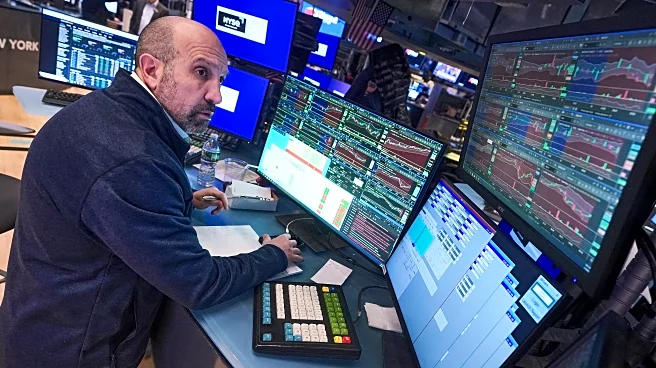
The proposed extension of trading hours by Nasdaq could have significant implications for the U.S. financial markets. While it aims to increase market participation, critics warn that it might lead to increased volatility and operational challenges. The move could force trading firms to staff desks around the clock, potentially increasing costs and operational complexity. Additionally, the continuous trading environment might pressure listed companies, which currently rely on market pauses to release news and conduct meetings without affecting stock prices. The proposal reflects a broader trend towards extended trading hours, as seen with retail-focused brokers like Robinhood and the New York Stock Exchange's own plans for extended trading.
What's Next?
If approved by the SEC, Nasdaq's new trading schedule could be implemented in the second half of 2026. The decision will likely prompt further discussions among market participants about the benefits and drawbacks of nearly continuous trading. Stakeholders, including trading firms and listed companies, may need to adapt their operations to accommodate the extended hours. The SEC's response to the proposal will be closely watched, as it could set a precedent for other exchanges considering similar changes.