




What's Happening?
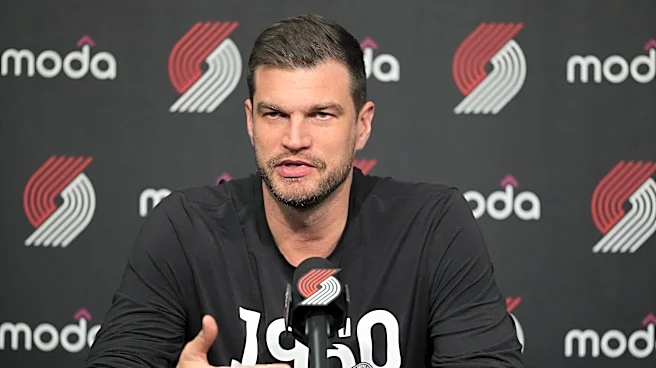
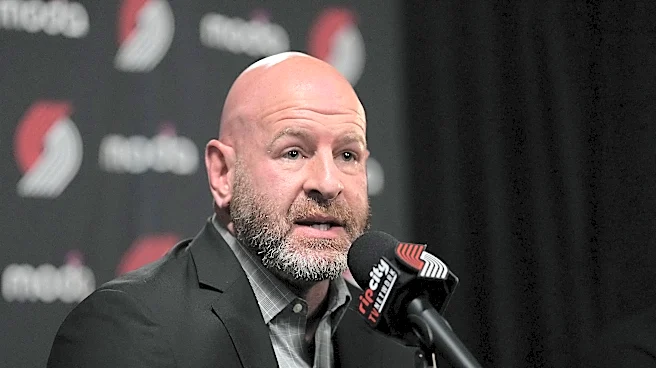
Portland Trail Blazers General Manager Joe Cronin has publicly taken responsibility for the team's decision not to send its two-way players on the road for the first weekend of the current season's playoffs. This decision drew criticism as Portland was
the only team to make such a move, which could have impacted the team's performance and player morale. Two-way contracts allow players to split time between the NBA and its G League affiliate, providing teams with flexibility in managing their rosters. The absence of these players during critical playoff games raised questions about the team's strategic planning and resource allocation.
Why It's Important?
The decision by the Trail Blazers highlights the complexities and challenges teams face in managing player contracts and resources during high-stakes periods like the playoffs. Two-way players can be crucial in providing depth and flexibility, especially when injuries or other factors affect the main roster. By not utilizing these players, the Trail Blazers may have missed an opportunity to strengthen their lineup, potentially affecting their competitiveness. This situation underscores the importance of strategic planning and resource management in professional sports, where every decision can have significant implications for team performance and success.
What's Next?
Moving forward, the Trail Blazers and other NBA teams may reassess their strategies regarding two-way players, especially during the playoffs. Teams might consider the potential benefits of having additional players available for critical games, balancing the need for roster flexibility with the importance of maintaining a competitive edge. The league could also review policies related to two-way contracts to ensure teams can maximize their resources effectively. Stakeholders, including team management, players, and fans, will likely watch closely to see how this situation influences future decisions and strategies.