


What's Happening?
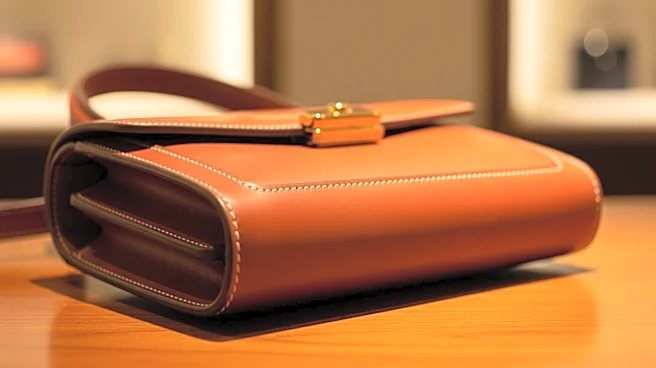
The luxury bag market continues to thrive, with the Hermès Birkin bag remaining a highly coveted item among fashion enthusiasts. The Birkin bag, named after Jane Birkin, is renowned for its exclusivity and high price point, often reaching around $20,000.
Due to the difficulty of purchasing a new Birkin directly from Hermès boutiques, many consumers turn to the resale market. Retailers like The RealReal, Nordstrom, and Rue La La offer pre-owned Birkins, providing an alternative route for buyers. These platforms authenticate the bags and offer various styles and colors, including the popular Togo leather and pastel pinks. The resale market not only offers accessibility but also includes benefits such as reduced prices and purchase protections like free returns.
Why It's Important?
The sustained demand for Hermès Birkin bags highlights the strength of the luxury resale market, which provides significant opportunities for both buyers and sellers. For consumers, the resale market offers a chance to own a prestigious item that might otherwise be inaccessible due to price and availability. For retailers, it represents a lucrative segment, as they can capitalize on the high demand for authenticated luxury goods. This trend also reflects broader consumer behavior shifts towards sustainable fashion practices, as purchasing pre-owned items reduces waste and promotes circular fashion. The luxury resale market's growth could influence traditional retail strategies and encourage more brands to engage with secondhand sales.
What's Next?
As the luxury resale market continues to expand, more consumers may opt for pre-owned luxury goods, potentially prompting traditional retailers to adapt their strategies. Brands like Hermès might explore ways to integrate resale into their business models, possibly through partnerships with established resale platforms. Additionally, the increasing popularity of luxury resale could lead to more stringent authentication processes and enhanced consumer protections to maintain trust in the market. The trend towards sustainable fashion is likely to persist, encouraging further innovation in how luxury goods are bought and sold.
Beyond the Headlines
The luxury resale market's growth raises questions about the future of exclusivity in fashion. As more consumers access high-end items through resale, the traditional barriers to luxury ownership may diminish, potentially altering the perception of luxury goods. This shift could lead to a reevaluation of what constitutes luxury and how brands maintain their status. Additionally, the environmental benefits of resale align with growing consumer demand for sustainable practices, which could drive further change in the fashion industry. The intersection of luxury and sustainability presents both challenges and opportunities for brands navigating this evolving landscape.