


What's Happening?
The threat posed by Iranian forces in the Strait of Hormuz has led to increased insurance premiums for ships navigating this critical maritime route. The conflict, sparked by US-Israeli strikes on Iran, has significantly impacted shipping activities in the region.
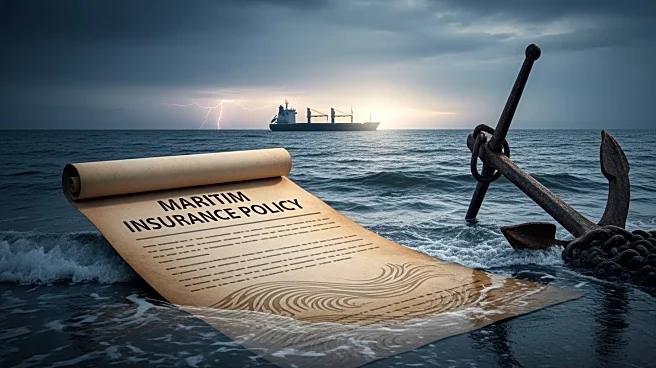
Despite the availability of war risk insurance, many captains are avoiding the route due to safety concerns. Premiums for war risk insurance have surged, with costs potentially reaching tens of millions of dollars for a single trip. Industry experts report fluctuating rates, with estimates ranging from 1% to 10% of a vessel's hull value. Cargo insurance rates have similarly increased, reflecting the heightened risk in the area.
Why It's Important?
The rising insurance costs have significant implications for the global freight industry, particularly for companies relying on the Strait of Hormuz for shipping. The increased premiums could lead to higher operational costs for shipping companies, potentially affecting global trade and supply chains. The situation underscores the vulnerability of maritime routes to geopolitical tensions and the financial burden placed on the shipping industry. The US has announced a shipping insurance initiative to facilitate safer crossings, but the ongoing conflict has deterred international cooperation. If successful, this initiative could stabilize insurance rates and restore confidence in navigating the strait.
What's Next?
The US shipping insurance scheme, which includes naval escorts, is set to begin operations soon. This initiative aims to encourage more ships to traverse the Strait of Hormuz safely. However, the effectiveness of this scheme depends on international collaboration and the resolution of the conflict. If military protection proves effective, insurance rates could decrease rapidly, easing the financial strain on shipping companies. The situation remains fluid, with insurers closely monitoring developments and adjusting premiums accordingly.
Beyond the Headlines
The current situation highlights the complex interplay between geopolitical conflicts and global commerce. The reliance on strategic maritime routes like the Strait of Hormuz exposes the shipping industry to risks beyond its control. The need for comprehensive risk management strategies and international cooperation is evident. The conflict also raises ethical questions about the prioritization of economic interests over human safety, as captains face difficult decisions in navigating perilous waters.