



What's Happening?
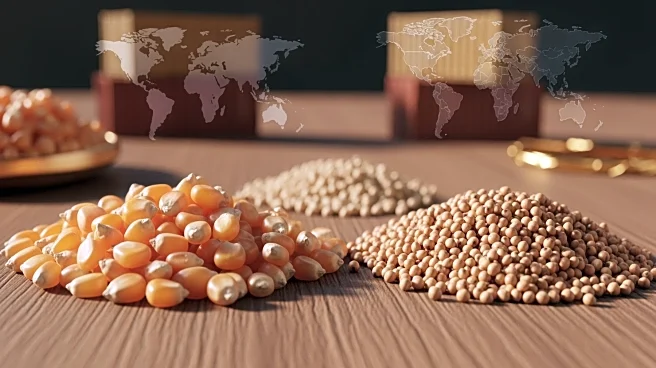
The U.S. Grains & BioProducts Council (USGBC) recently organized a corn and sorghum quality rollout event in Colombo, Sri Lanka, aimed at strengthening trade relations with South Asian buyers. This event comes on the heels of Bangladesh's first import of U.S. corn in eight years, indicating a renewed interest in U.S. agricultural products. The event was attended by over 85 participants, including buyers, end users, U.S. exporters, farmers, and officials from the U.S. Department of Agriculture and the U.S. Embassy. The focus was on showcasing the quality, reliability, and availability of U.S. grains. Presentations included the 2025/2026 U.S. Corn Harvest Quality Report and the Sorghum Harvest Quality Report, which are crucial for international
buyers in making informed decisions. The event also featured technical sessions on the use of distillers dried grains with soluble (DDGS) and sorghum in poultry diets, and a roundtable discussion on U.S. corn and sorghum production.
Why It's Important?
This initiative by the USGBC is significant as it aims to expand the market for U.S. corn and sorghum in South Asia, a region with strong demand for feed grains. By promoting the quality and reliability of U.S. grains, the USGBC is working to secure a foothold in a competitive market, potentially increasing exports and benefiting U.S. farmers and exporters. The event also addressed non-tariff trade barriers that challenge growth in the region, highlighting the Council's commitment to overcoming these obstacles. Strengthening trade ties with South Asia could lead to increased economic opportunities for U.S. agribusinesses and contribute to the stability of the agricultural sector.
What's Next?
The USGBC plans to maintain an active presence in South Asia to build trust and address any concerns from buyers. This ongoing engagement is expected to support the demand for high-quality U.S. agricultural products. The Council's efforts to promote U.S. grains could lead to further trade agreements and collaborations, enhancing the U.S.'s position in the global agricultural market. Additionally, the focus on overcoming non-tariff barriers suggests that the USGBC will continue to advocate for fair trade practices, which could result in more favorable conditions for U.S. exporters.