

What's Happening?
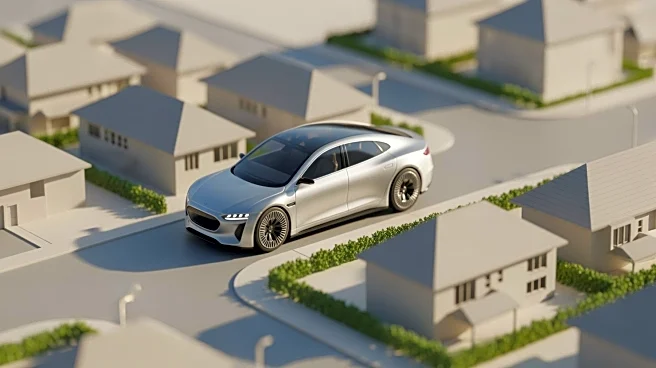
Tesla CEO Elon Musk expressed agreement with the idea that self-driving cars could enhance housing affordability. During a podcast, it was suggested that autonomous vehicles could reduce commuting time, allowing people to live in more affordable areas further from city centers. Musk concurred, noting that self-driving technology could facilitate the development of new suburbs in cheaper land areas. The discussion also highlighted the role of Musk's Starlink satellite internet service in providing connectivity to underdeveloped regions, potentially opening up new areas for housing development.
Why It's Important?
The integration of self-driving technology into daily life could transform urban planning and housing markets by reducing the constraints of commuting.
This shift could lead to more affordable housing options as people move to less expensive areas without the burden of long commutes. Additionally, the expansion of internet connectivity through services like Starlink could further support this trend by making remote areas more viable for residential development. These changes could have significant implications for real estate markets, urban development, and infrastructure planning.
What's Next?
As self-driving technology continues to advance, its impact on housing and urban development will likely become more pronounced. Policymakers and urban planners may need to consider the implications of increased mobility and connectivity on housing policies and infrastructure investments. The potential for new suburban developments could also influence real estate markets and investment strategies, as stakeholders assess the opportunities and challenges presented by these technological advancements.