
What's Happening?
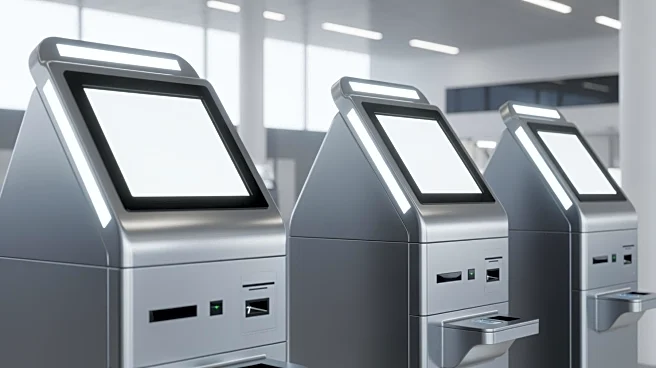
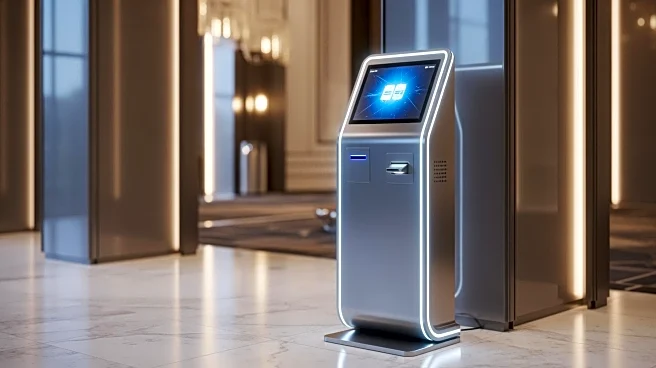
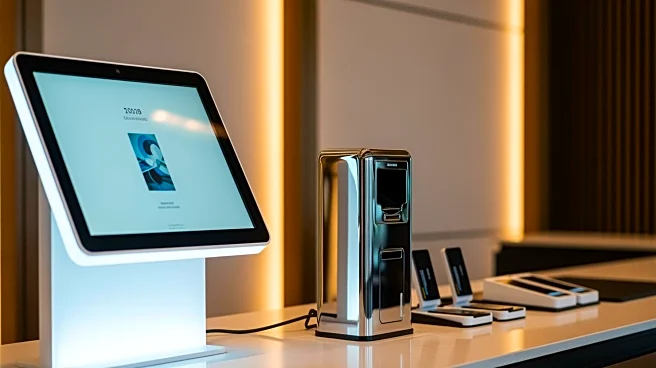
The hospitality industry is undergoing a significant transformation with the adoption of self-service kiosks, as highlighted by Kiosk.eu's European-built solutions. These kiosks are designed to integrate seamlessly with Property Management Systems (PMS)
to automate the check-in process, allowing hotel staff to focus on personalized guest services. The shift towards hardware-first solutions is driven by the need for reliable, purpose-built systems that can handle high-traffic environments and provide consistent performance. These kiosks are equipped with integrated peripherals for payment, keycard, and ID scanning, ensuring secure and compliant guest data handling. The integration with PMS is crucial for real-time reservation retrieval, automated guest data synchronization, and secure payment processing, making the guest journey both digital and dependable.
Why It's Important?
The move towards automated check-ins is crucial for the hospitality industry as it addresses several operational challenges. Hotels are under pressure to reduce costs, manage staff shortages, and improve efficiency. By automating repetitive tasks like check-in processing and payment handling, hotels can free up staff to focus on enhancing guest experiences through personalized interactions and problem-solving. This not only improves service quality but also opens up opportunities for additional revenue through upselling and promoting add-ons. Furthermore, the adoption of kiosks contributes to sustainability by reducing paper usage and energy consumption, aligning with global standards for data privacy and environmental responsibility.
What's Next?
As the hospitality industry continues to embrace automation, the focus will likely shift towards hybrid models that balance technology with human interaction. Hotels will need to ensure that their systems are not only technologically advanced but also user-friendly and adaptable to different market needs. The integration of kiosks with global PMS platforms will be essential for maintaining a consistent guest experience across properties. Additionally, as guests become more accustomed to self-service options, hotels may explore further innovations in digital guest journeys, potentially expanding the use of kiosks beyond check-ins to other areas of hotel operations.
Beyond the Headlines
The rise of automated check-ins in hotels reflects broader trends in consumer expectations for speed and autonomy. This shift also highlights the importance of designing technology that enhances rather than replaces human interaction. As hotels adopt these systems, they must consider the cultural and ethical implications of reducing face-to-face interactions and ensure that technology serves to support, not diminish, the hospitality experience. The successful integration of kiosks will depend on their ability to meet regional compliance standards while offering global compatibility, ensuring that hotels can cater to diverse guest needs without compromising on service quality.