
What's Happening?
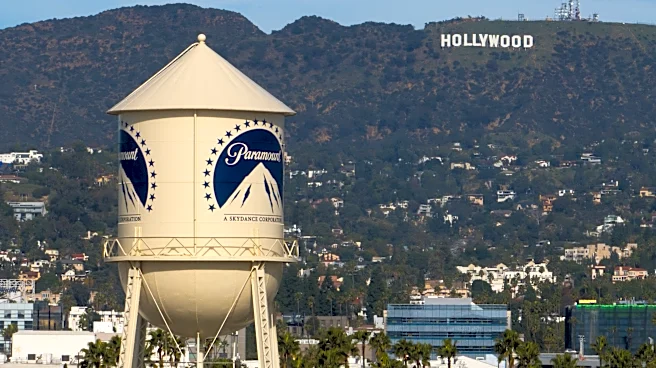
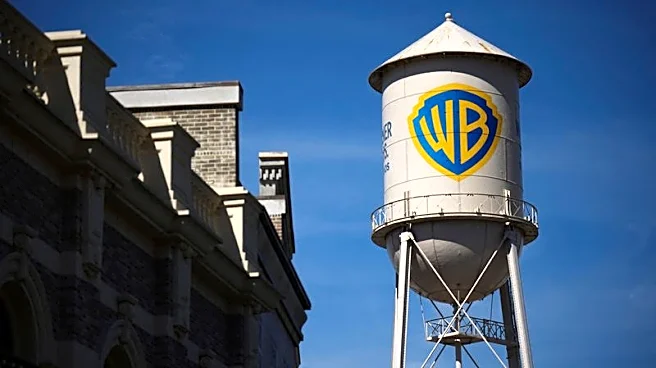
Mark Ruffalo has voiced strong opposition to the proposed merger between Paramount Skydance and Warner Bros. Discovery, warning of its potentially devastating effects on the film, TV, and media industries.
Speaking at a Senate hearing organized by Sen. Cory Booker, Ruffalo highlighted concerns about the merger's impact on free press and democracy, citing the concentrated control it represents. He criticized promises made by Paramount Skydance CEO David Ellison regarding increased film production and job opportunities, labeling them as empty promises driven by greed. The merger, which follows a similar deal in August 2025 that resulted in significant layoffs, is seen as a threat to the livelihoods of media professionals and the industry at large.
Why It's Important?
The merger between Paramount Skydance and Warner Bros. Discovery could significantly alter the landscape of the U.S. entertainment industry. With the potential for job losses and reduced competition, the merger raises concerns about the concentration of media ownership and its impact on content diversity and pricing. The involvement of Middle Eastern investment partners adds a geopolitical dimension, potentially influencing media narratives. The deal's approval could lead to further consolidation in the industry, affecting creative professionals and consumers alike. The scrutiny from state attorneys general and the potential for regulatory intervention highlight the broader implications for antitrust policy and media regulation.
What's Next?
The merger still requires regulatory and shareholder approval, with state attorneys general reviewing the deal. Opposition efforts, including the Senate hearing, may lead to increased scrutiny or conditions on the merger. The outcome could influence future media mergers and antitrust enforcement. Paramount Skydance's control over Warner Bros. Discovery's portfolio, including major networks and studios, will be closely watched for its impact on content production and distribution. The industry will be monitoring the regulatory response and potential legal challenges, which could set precedents for future media consolidation.