





What's Happening?
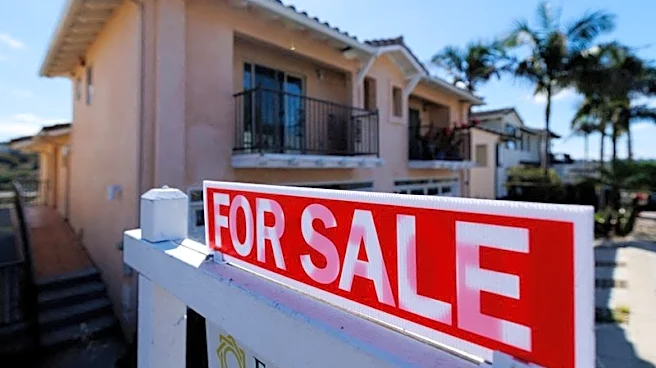
Sales of previously occupied U.S. homes fell by 3.6% in March, marking the slowest pace in nine months. The National Association of Realtors reported a seasonally adjusted annual rate of 3.98 million units, falling short of economists' expectations. Despite
easing mortgage rates, lower consumer confidence and softer job growth have hindered homebuyers. The national median sales price rose 1.4% to $408,800, continuing a trend of rising home prices despite declining sales.
Why It's Important?
The decline in home sales during a typically busy season for the housing market highlights ongoing challenges in the U.S. real estate sector. Factors such as consumer confidence, job growth, and mortgage rates play significant roles in shaping market dynamics. The persistent rise in home prices, despite lower sales, suggests affordability issues that could impact first-time buyers and overall market stability. This situation may influence future housing policies and economic forecasts.
What's Next?
The outlook for the spring homebuying season remains uncertain, with potential fluctuations in mortgage rates and economic conditions influencing buyer behavior. Policymakers and industry stakeholders may need to address affordability challenges to stimulate market activity. Additionally, the availability of housing inventory and regional market conditions will continue to shape the trajectory of home sales in the coming months.