





What's Happening?
U.S. liquefied natural gas (LNG) exporters have significantly increased their output to compensate for a reduction in shipments from Qatar, which has been affected by Iranian attacks on its facilities and the closure of key shipping lanes in the Middle
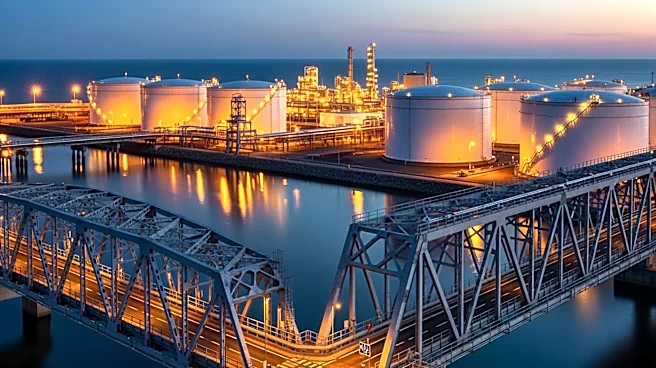
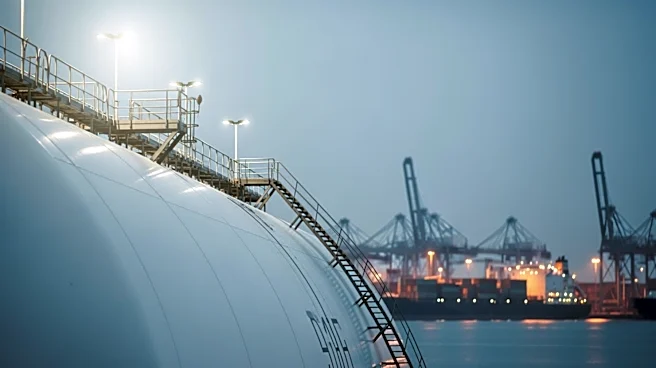
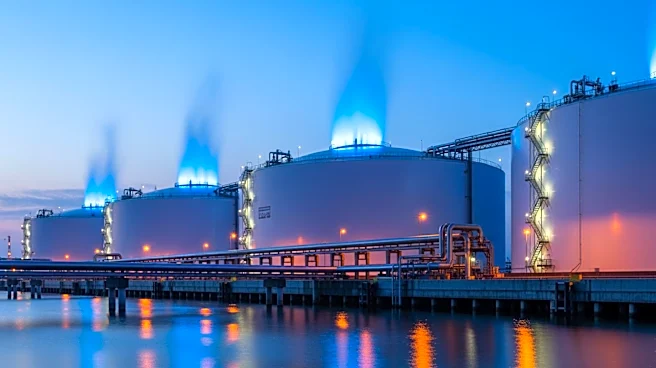
East. This increase has led to a record 32.15 million metric tons of LNG being loaded by U.S. exporters in the first four months of 2026, marking a 28% increase from the same period in 2025. The U.S. now accounts for 18% of global seaborne LNG export volumes. The Sabine Pass terminal in Louisiana and the Plaquemines LNG terminal in Louisiana have been pivotal in this surge, with the latter seeing a 240% year-over-year increase in export volumes.
Why It's Important?
The U.S. has become a crucial player in the global LNG market, especially as European nations, which account for 72% of U.S. LNG exports, face a need to replenish gas inventories depleted over the winter. This development underscores the strategic importance of U.S. LNG in stabilizing global energy supplies amid geopolitical tensions. The increased U.S. exports help mitigate the impact of reduced Qatari supplies, ensuring that global LNG markets remain stable. However, the U.S. may need to reduce output for maintenance and to manage weather-related disruptions, which could tighten global LNG supplies further.
What's Next?
As the initial shock of Qatar's export cuts subsides, LNG buyers may take a more measured approach to future purchases. European gas consumption is expected to decline in the coming months due to milder weather, potentially reducing U.S. LNG export orders. However, the need to replenish European gas inventories before the next winter could sustain demand. U.S. exporters may welcome a slowdown in orders, allowing for necessary maintenance and preparation for potential weather disruptions during the summer.