




What's Happening?
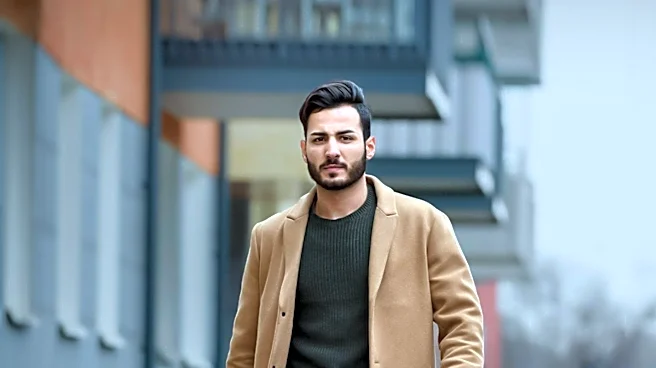
The street style scene has undergone significant transformations over the past decade, particularly in the context of menswear fashion shows. In the lead-up to the spring 2017 menswear season, street style was characterized by a mix of casual and polished
looks, heavily influenced by designers like Virgil Abloh and Alessandro Michele. Over the years, the fashion landscape has shifted, with many brands appointing new creative directors and the menswear silhouette evolving to become more relaxed. The traditional fashion capitals have also seen changes, with Milan and Paris now being the primary hosts for dedicated menswear weeks, alongside Pitti Uomo in Florence. This evolution reflects broader trends in the fashion industry, where street style continues to serve as a source of inspiration for personal fashion choices.
Why It's Important?
The evolution of street style in menswear highlights the dynamic nature of the fashion industry and its ability to adapt to changing cultural and aesthetic preferences. This shift is significant for designers, brands, and consumers alike, as it influences the direction of fashion trends and consumer behavior. The changes in creative leadership at major fashion houses and the consolidation of menswear weeks in key cities underscore the industry's response to global market demands and logistical considerations. For consumers, street style remains a powerful tool for self-expression, allowing individuals to draw inspiration from global trends while crafting their unique fashion identities. This ongoing evolution also impacts the economic landscape of fashion, as brands must continuously innovate to stay relevant and competitive.
What's Next?
As the fashion industry continues to evolve, it is likely that street style will further adapt to new trends and cultural shifts. The ongoing influence of digital media and social platforms will play a crucial role in shaping future street style trends, as consumers increasingly look to online sources for fashion inspiration. Additionally, the focus on sustainability and ethical fashion practices may drive further changes in street style, as consumers become more conscious of the environmental and social impact of their fashion choices. Fashion weeks and events will continue to serve as important platforms for showcasing these evolving trends, with designers and brands leveraging these opportunities to connect with global audiences.
Beyond the Headlines
The transformation of street style over the past decade also reflects broader cultural and societal changes. As fashion becomes more inclusive and diverse, street style serves as a platform for showcasing a wide range of identities and expressions. This inclusivity is crucial for fostering a more equitable fashion industry that celebrates diversity in all its forms. Furthermore, the rise of digital media has democratized fashion, allowing individuals from all backgrounds to participate in and influence fashion trends. This shift challenges traditional power structures within the industry and encourages a more collaborative and participatory approach to fashion.