


What's Happening?
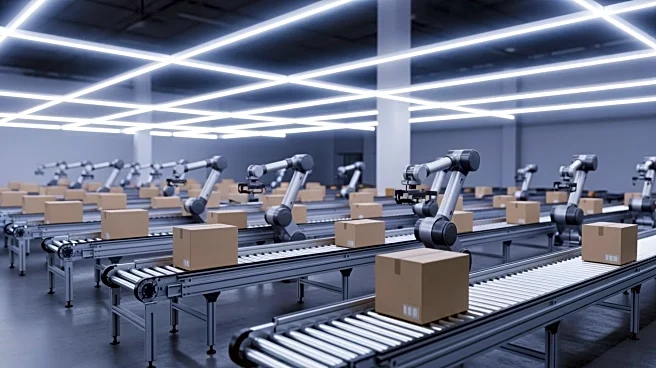
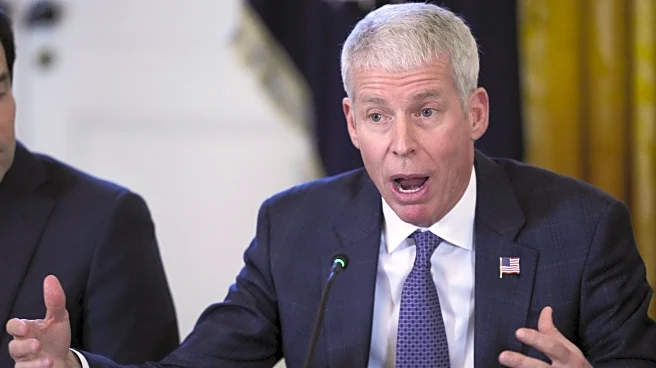
PepsiCo is set to pilot an integrated food and beverage supply chain model in Texas. This initiative, announced by CEO Ramon Laguarta, aims to streamline operations by combining the supply chains of its food and beverage divisions. The pilot program will assess the feasibility of this integration, focusing on optimizing demand management, technology evolution, and reducing operational bottlenecks. This move comes after recommendations from Elliott Investment Management, a significant investor, which suggested various strategic changes to improve PepsiCo's performance.
Why It's Important?
The integration of PepsiCo's supply chain could significantly enhance operational efficiency and cost-effectiveness, potentially leading to increased profitability. By addressing
current supply chain complexities, PepsiCo aims to better meet future demand and improve its competitive edge in the market. This initiative reflects a broader industry trend towards supply chain optimization, which is crucial for maintaining market leadership and responding to dynamic consumer needs. Successful implementation could set a precedent for other companies in the food and beverage sector to follow suit.
What's Next?
If the pilot program in Texas proves successful, PepsiCo may consider scaling the integrated supply chain model across the United States. This could involve further strategic adjustments, such as reducing stock-keeping units and enhancing product innovation. Stakeholders, including investors and retail partners, will likely monitor the pilot's outcomes closely, as its success could influence future investment and partnership decisions. Additionally, PepsiCo's commitment to affordability and value could lead to more competitive pricing strategies, benefiting consumers and potentially increasing market share.