






What's Happening?
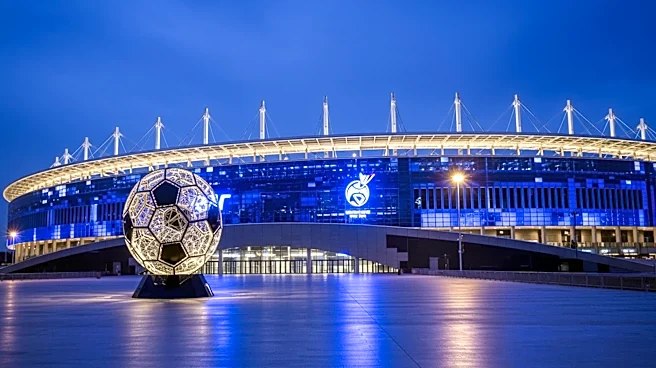
The San Francisco Bay Area is set to host six matches during the 2026 World Cup, including five group stage games and one knockout round. These matches will be held at Levi's Stadium in Santa Clara, a venue with a capacity of 71,000, which is also home
to the NFL's San Francisco 49ers. The stadium has previously hosted significant events such as Super Bowl 50 and WrestleMania 31. The games scheduled include Qatar vs. Switzerland, Austria vs. Jordan, Turkey vs. Paraguay, Jordan vs. Algeria, Paraguay vs. Australia, and a Round of 32 match. The Bay Area offers a rich cultural and culinary experience for visitors, with diverse dining options and numerous attractions such as Golden Gate Park and Jack London Square.
Why It's Important?
Hosting the World Cup is a significant opportunity for the San Francisco Bay Area, as it will attract international visitors and boost the local economy. The influx of tourists is expected to benefit local businesses, particularly in the hospitality and food sectors. The event also provides a platform to showcase the region's cultural diversity and attractions, potentially increasing future tourism. Additionally, the World Cup's presence in the Bay Area highlights the region's capability to host large-scale international events, which could lead to more opportunities in the future.
What's Next?
As the World Cup approaches, preparations in the Bay Area will intensify, focusing on logistics, security, and hospitality to accommodate the influx of visitors. Local authorities and businesses are likely to collaborate to ensure a smooth experience for attendees. Public transportation systems like BART will play a crucial role in managing the movement of people across the region. The event may also prompt discussions on infrastructure improvements and long-term investments in the area to support future events.
Beyond the Headlines
The World Cup in the Bay Area could have lasting impacts beyond the immediate economic benefits. It may foster a greater appreciation for soccer in the U.S., encouraging youth participation and investment in local soccer programs. The event also presents an opportunity to address and improve public transportation and infrastructure, which could benefit residents long after the World Cup concludes. Additionally, the focus on sustainability and environmental considerations during the event could set a precedent for future large-scale events in the region.