
What's Happening?
The travel industry is currently facing significant challenges due to the ongoing conflict in Iran, which has led to airspace closures and increased oil prices. These developments have had a ripple effect
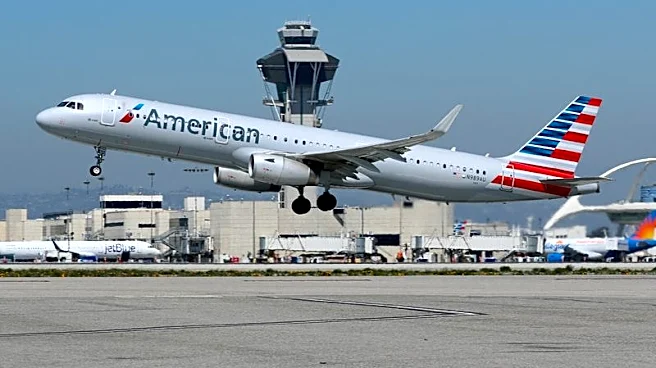
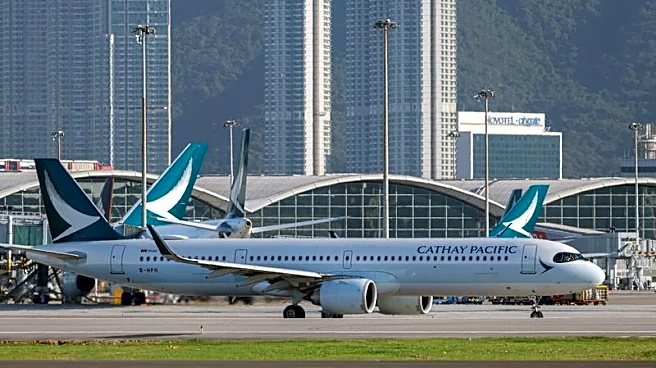
across the airline sector, impacting operations and costs. In addition to these geopolitical issues, American Airlines has made changes to its basic economy offerings, making them less favorable for travelers. Airlines are also increasing checked bag fees, citing higher fuel costs as a primary reason. Meanwhile, Marriott has switched its beverage provider from Pepsi to Coca-Cola after 34 years, marking a significant shift in its long-standing partnership. Additionally, leadership changes are occurring within major airlines, with the resignation of Air Canada's CEO and the retirement of Turkish Airlines' CEO.
Why It's Important?
These developments are crucial as they highlight the vulnerabilities and adaptability of the travel and airline industries in response to geopolitical tensions and economic pressures. The Iran conflict's impact on airspace and oil prices underscores the interconnectedness of global events and their direct influence on U.S. airlines' operational costs and pricing strategies. The changes in American Airlines' basic economy and increased baggage fees reflect a broader trend of airlines adjusting their pricing models to maintain profitability amid rising costs. Marriott's switch from Pepsi to Coca-Cola could influence consumer perceptions and brand loyalty, affecting its competitive positioning in the hospitality sector. Leadership changes in major airlines may lead to strategic shifts that could impact international travel and partnerships.
What's Next?
The travel industry will likely continue to navigate these challenges by exploring cost-cutting measures and strategic partnerships to mitigate the impact of rising operational costs. Airlines may seek to optimize routes and fuel efficiency to counteract the effects of high oil prices. The leadership changes in airlines could lead to new strategic directions, potentially affecting international alliances and market competition. Marriott's switch to Coca-Cola may prompt other hospitality brands to reevaluate their supplier relationships, potentially leading to further shifts in the industry. Stakeholders, including travelers, airline employees, and hospitality partners, will be closely monitoring these developments to assess their long-term implications.