




What's Happening?
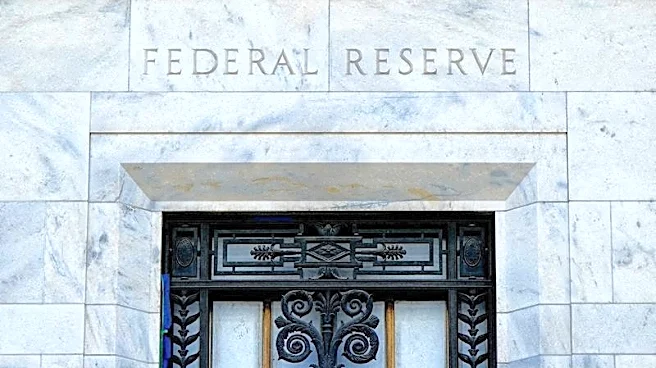
The Federal Reserve Bank of New York has released research indicating a significant $28 trillion gap between U.S. overseas assets and foreign-held U.S. assets. Currently, the U.S. holds $41 trillion in foreign assets, while foreign investors possess $69
trillion in U.S. assets. This disparity represents 90% of the U.S.'s current GDP, which is $31.82 trillion. Historically, the U.S. has benefited from a 'rate of return advantage,' earning more from its foreign investments than it pays out. However, this income surplus is shrinking, with the surplus dropping from $260 billion in 2019 to near zero by 2024-2025. The Federal Reserve attributes this trend to rising interest rates post-COVID-19 and continued net sales of U.S. assets to foreign investors.
Why It's Important?
The growing gap in foreign asset ownership has significant implications for the U.S. economy. As foreign investors hold more U.S. assets, the income generated from these assets increasingly flows out of the country, creating a 'servicing burden' on the U.S. economy. This situation could lead to higher costs for American consumers, as seen in rising mortgage rates and persistent inflation. The Federal Reserve's findings suggest that the U.S. economy is becoming more sensitive to global financial pressures, potentially affecting consumer confidence and economic stability. The report highlights the need for strategic financial management to mitigate the impact of foreign asset ownership on the U.S. economy.
What's Next?
The Federal Reserve's report suggests that the U.S. must address the growing foreign asset ownership to prevent further economic strain. Potential steps include reassessing trade policies and encouraging domestic investment to balance foreign holdings. Additionally, the U.S. may need to explore ways to enhance its 'rate of return advantage' to maintain a positive income balance. Policymakers and financial institutions will likely focus on strategies to stabilize the economy and protect consumer interests amid these challenges.