

What's Happening?
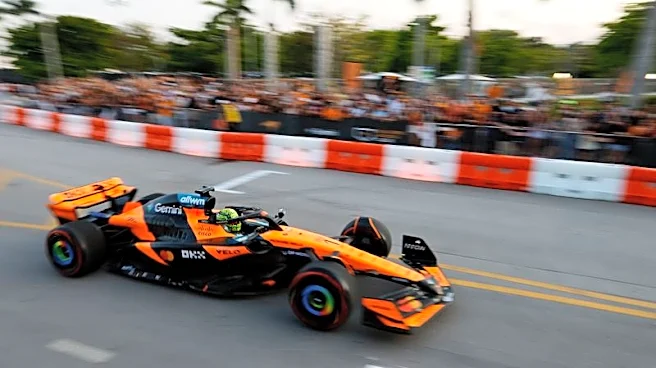
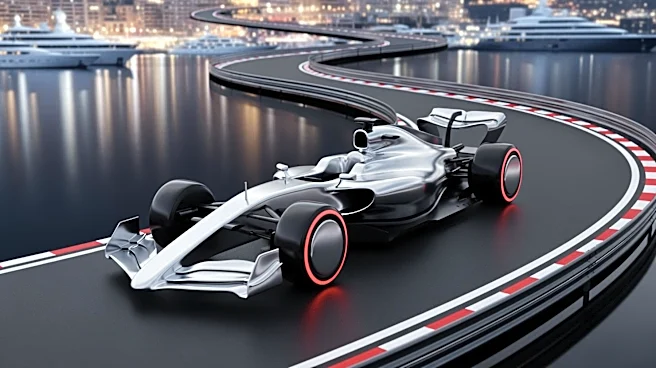
Charles Leclerc, a prominent Formula 1 driver, has expressed optimism about the performance of the 2026 F1 cars at the Monaco Grand Prix. The new regulations, which include lighter cars and increased electronic power, are expected to enhance the racing
experience on the tight and challenging Monaco street circuit. Leclerc, who grew up in Monaco and secured his first home race victory in 2024, believes that the circuit's many slow corners and few straights will allow for efficient battery recharging, enabling drivers to push their cars without concern. The changes in car design, including smaller chassis, are anticipated to improve overtaking opportunities, a common challenge at Monaco.
Why It's Important?
The 2026 F1 regulations represent a significant shift in the sport, focusing on sustainability and performance. The changes are expected to impact the dynamics of races, particularly at circuits like Monaco, known for its limited overtaking opportunities. The ability to recharge batteries more effectively could lead to more competitive and exciting races, potentially altering team strategies and driver performances. This development is crucial for teams and drivers as they adapt to the new regulations, which could influence the championship standings and the overall appeal of Formula 1 to fans and stakeholders.
What's Next?
As the Monaco Grand Prix approaches, teams and drivers will continue to adapt to the new regulations, testing the limits of the 2026 cars. The race will serve as a critical benchmark for assessing the impact of the changes on performance and strategy. Stakeholders, including teams, sponsors, and fans, will closely monitor the outcomes to gauge the success of the new regulations. The results could influence future regulatory decisions and the direction of technological advancements in the sport.
Beyond the Headlines
The introduction of the 2026 regulations highlights the ongoing evolution of Formula 1 towards more sustainable practices. The increased focus on electronic power and lighter cars reflects broader industry trends towards environmental responsibility. This shift may inspire other motorsports to adopt similar measures, potentially leading to a more sustainable future for racing. Additionally, the changes could influence car manufacturers' approaches to developing road vehicles, integrating lessons learned from the track into consumer products.