

What's Happening?
Toyota Motor Corporation is set to join cellcentric as an equal shareholder alongside Volvo Group and Daimler Truck AG. This follows the signing of a non-binding memorandum of understanding among the parties. Cellcentric, established in 2021 as a joint
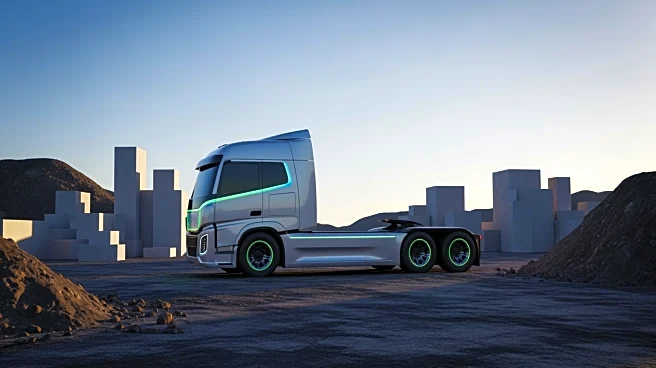
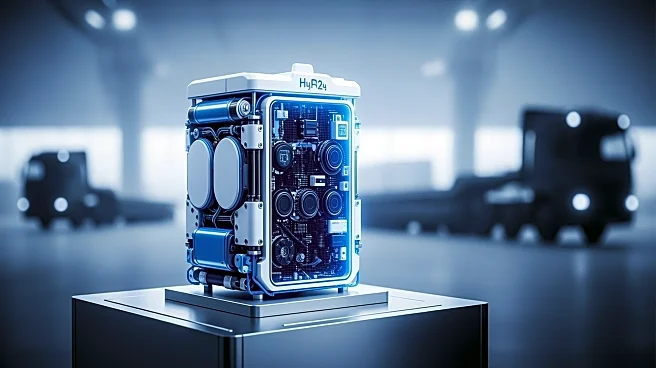
venture between Volvo and Daimler Truck, focuses on developing, producing, and commercializing fuel cell systems for heavy-duty transport and related applications. The collaboration aims to accelerate the development of hydrogen fuel cell technology for trucks, off-road machinery, and stationary uses. Toyota will contribute its extensive experience in fuel cell development from the passenger vehicle sector, while Volvo and Daimler Truck will provide their expertise in commercial vehicle engineering. The partnership is expected to enhance the development and scaling of hydrogen technology, which is seen as complementary to battery-electric drives in decarbonizing transport.
Why It's Important?
The collaboration between Toyota, Volvo, and Daimler Truck is significant as it represents a major step towards the decarbonization of the heavy transport sector. Hydrogen fuel cells are considered a key energy carrier for reducing emissions, especially in segments where battery-electric solutions are less viable. By combining their expertise, the companies aim to create competitive fuel cell solutions at scale, which could accelerate the transition to net-zero transportation. This partnership also signals a strong commitment from leading automotive companies to invest in sustainable technologies, potentially influencing industry standards and encouraging further investment in hydrogen infrastructure.
What's Next?
The next steps involve the joint development and production of fuel cell unit cells and associated systems. The partners plan to scale the development and industrialization of these systems while supporting the buildout of hydrogen infrastructure in collaboration with industry partners. Cellcentric will continue to operate independently, serving a broad customer base beyond its shareholders. As the partnership progresses, it may lead to increased adoption of hydrogen fuel cell technology in the heavy transport sector, potentially influencing regulatory policies and market dynamics.