
What's Happening?
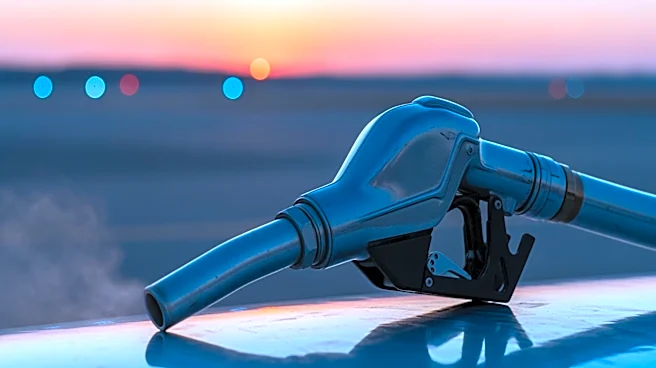
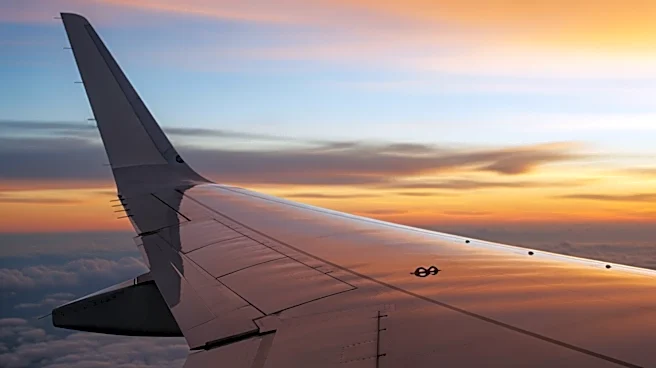
United Airlines has announced plans to increase its summer fares by 15% to 20% as a response to the doubling of jet fuel costs, which have surged due to the ongoing conflict with Iran. This decision comes
during the airline's busiest travel season, with CEO Scott Kirby stating that travelers are still willing to pay premium prices for flights. Despite the increased fuel costs, United Airlines reported higher profits in the last quarter compared to the previous year, surpassing Wall Street expectations. The airline has also decided to cut the number of flights planned for the year to manage costs, which could further drive up airfares due to reduced seat availability.
Why It's Important?
The fare increase by United Airlines highlights the broader impact of geopolitical tensions on the airline industry and consumer travel costs. As fuel is a major expense for airlines, the doubling of jet fuel prices due to the Iran conflict directly affects operational costs, which are being passed on to consumers. This move could influence other airlines to adopt similar pricing strategies, potentially leading to higher travel costs across the industry. The decision to reduce flight capacity may also contribute to increased ticket prices, affecting consumer travel plans and potentially reducing travel demand if prices become prohibitive.
What's Next?
United Airlines' decision to raise fares and cut flight capacity may prompt reactions from competitors, potentially leading to a broader industry trend of increased airfares. Travelers may need to adjust their travel plans or budgets in response to higher costs. Additionally, if geopolitical tensions persist, further fluctuations in fuel prices could continue to impact airline pricing strategies. Stakeholders, including travel agencies and consumer advocacy groups, may respond by advising travelers on cost-saving measures or advocating for more transparent pricing practices.