




What's Happening?
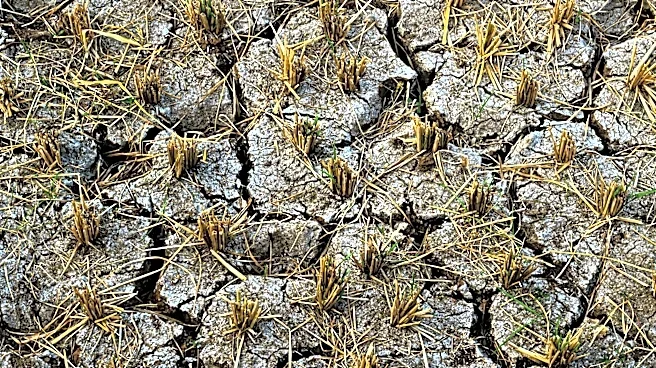
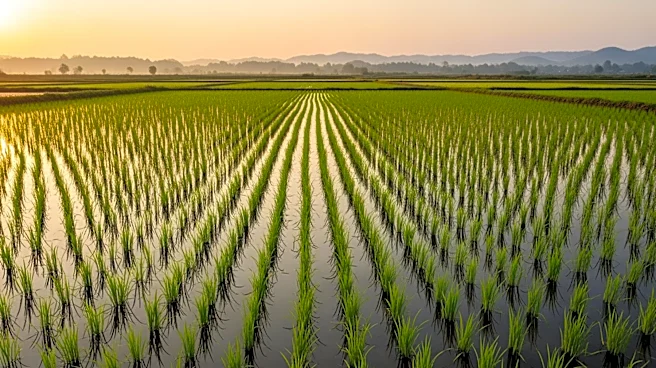
Rice growers in the United States are facing a decision between attempting a second planting or accepting prevented planting payments due to adverse weather conditions. The Risk Management Agency of the USDA provides insurance policies with prevented planting provisions
to protect farmers when extreme weather prevents planting. These provisions are based on pre-planting costs and are subject to specific planting dates and late planting periods that vary by crop and region. Extension economist Hunter Biram from the University of Arkansas Division of Agriculture highlights the tradeoff between the profitability of late-planted soybeans and the prevented planting payment for rice. Farmers must consider their Actual Production History, which influences yield guarantees in federal crop insurance programs.
Why It's Important?
The decision between second planting and prevented planting payments is crucial for rice growers as it impacts their financial stability and crop yield. Choosing to plant soybeans late could potentially offer higher profitability compared to the insurance payment, but it involves risks associated with weather and market conditions. This decision affects the agricultural economy, influencing crop production levels and market supply. Farmers' choices will also impact insurance claims and the overall effectiveness of agricultural insurance programs. Understanding these dynamics is essential for policymakers and stakeholders in the agricultural sector to support farmers effectively.