




What's Happening?
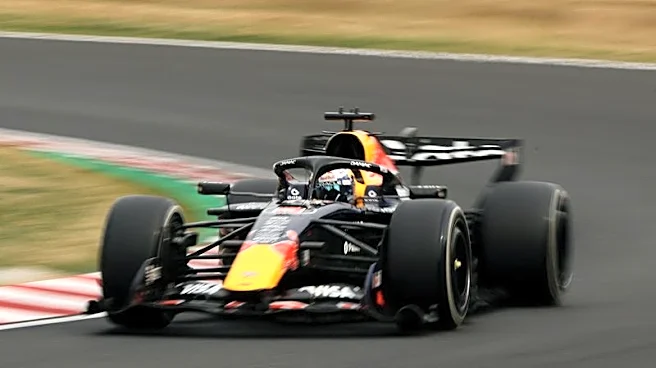
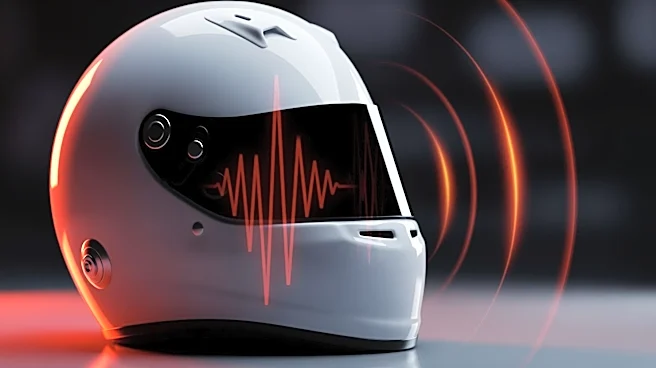
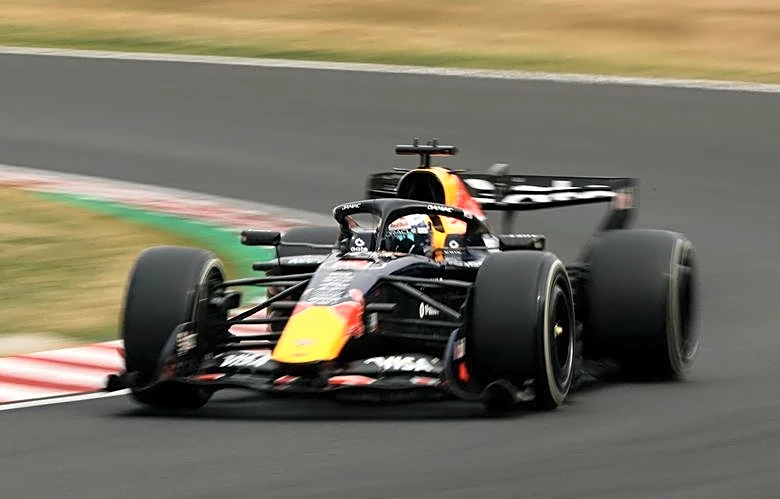
Formula One (F1) races are known for their high noise levels, with cars reaching up to 140 decibels, which can cause permanent hearing damage within seconds. The National Institute for Occupational Safety and Health warns that exposure to noise levels above
85 decibels can be harmful if prolonged. During the Miami Grand Prix, both drivers and fans are exposed to these extreme noise levels. F1 teams, like McLaren, use custom-molded in-ear monitors to protect their hearing, but many fans lack adequate protection. Experts recommend using earplugs or noise-canceling headphones to mitigate the risk of noise-induced hearing loss.
Why It's Important?
The significance of this issue lies in the potential for widespread hearing damage among F1 fans, particularly as live events become more frequent and prolonged. The cumulative effect of noise exposure can lead to permanent hearing loss, a growing concern as younger generations attend more live events and use headphones regularly. The availability of consumer technology, such as hearing tests on smartphones, is helping bridge the gap in hearing health awareness. However, without proper protection, fans risk long-term damage, highlighting the need for increased awareness and preventive measures at such events.
What's Next?
As awareness of noise-induced hearing loss grows, it is likely that more fans will adopt hearing protection at live events. The development of consumer technology that offers hearing tests and real-time noise monitoring could lead to better personal hearing health management. Additionally, partnerships between hearing protection companies and sports teams, like McLaren's collaboration with Loop, may encourage fans to use protective gear. Future regulations could also mandate hearing protection for attendees at high-decibel events, similar to the requirements for F1 teams.
Beyond the Headlines
The cultural shift towards viewing hearing protection as essential, akin to sunscreen use, is underway. This change is driven by the increasing understanding of the irreversible nature of hearing damage and the role of design in making protective gear more appealing. As hearing protection becomes more integrated into everyday life, it may lead to broader societal changes in how noise exposure is managed across various settings, from concerts to workplaces.