



What's Happening?
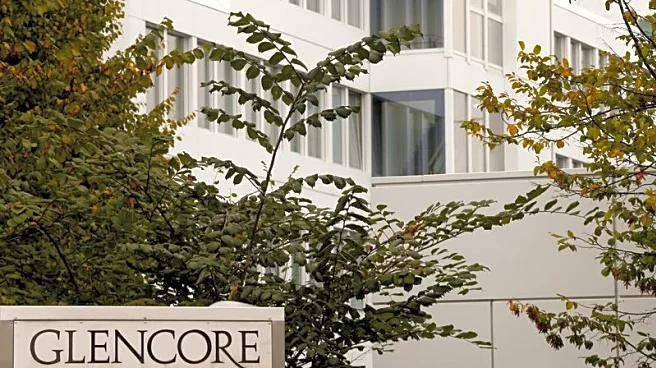
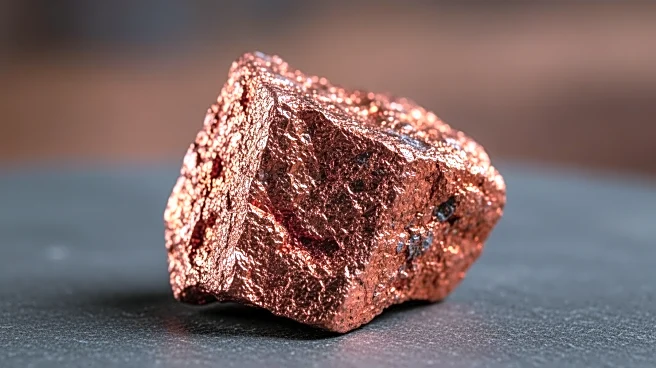
Rio Tinto has decided to withdraw from a proposed merger with Glencore, which would have created the world's largest mining company. This decision marks the fourth time a merger attempt between the two companies has failed. The merger would have significantly expanded Rio Tinto's copper portfolio, a critical resource as global demand for copper is expected to rise by 50% by 2040. The decision to walk away was influenced by disagreements over the valuation and control of the combined entity. Analysts have praised Rio Tinto's decision, viewing it as a move to maintain capital discipline and avoid near-term dilution risks.
Why It's Important?
The decision by Rio Tinto to abandon the merger with Glencore has significant implications for the mining industry, particularly
in the context of the increasing global demand for copper driven by the energy transition and technological advancements. By not proceeding with the merger, Rio Tinto must now explore alternative strategies to enhance its copper production capabilities. This move also reflects the company's commitment to maintaining financial discipline, which could reassure investors concerned about potential overvaluation and control issues. The broader mining sector may see increased competition as companies seek to secure copper resources to meet future demand.
What's Next?
With the merger off the table, Rio Tinto is expected to explore other opportunities to expand its copper portfolio. This could involve pursuing new acquisitions or developing existing projects to increase copper output. The company will need to navigate the competitive landscape as other global miners also seek to capitalize on the rising demand for copper. Investors and industry stakeholders will be closely watching Rio Tinto's next moves to assess how it plans to address its strategic challenge of securing copper growth options beyond 2030.