
What's Happening?
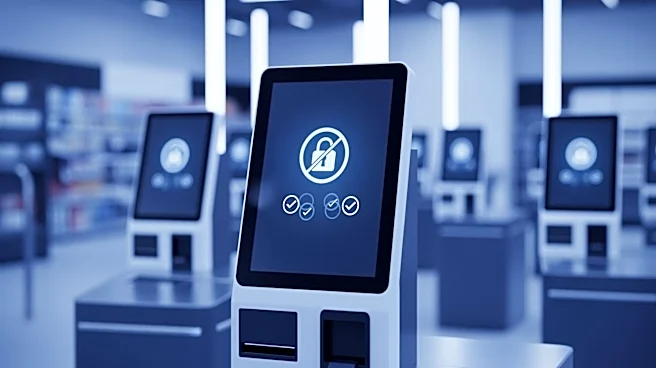
Legislators in Massachusetts, Rhode Island, and Connecticut are considering bills to regulate the use of self-checkout systems in grocery stores. The proposed legislation aims to limit the number of self-checkout stations
and ensure a balance with employee-operated checkouts. In Massachusetts, a bill introduced by Sen. Paul R. Feeney would restrict stores to eight self-checkout stations and require one manual checkout for every two self-checkouts. Similar measures are being considered in Rhode Island and Connecticut. These efforts are part of a broader discussion on the impact of self-checkouts on employment and customer service.
Why It's Important?
The regulation of self-checkout systems is significant as it addresses concerns about job displacement and the quality of customer service in retail environments. By limiting the number of self-checkouts, the proposed legislation aims to preserve jobs and ensure that customers have access to human assistance when needed. This move reflects a growing awareness of the social and economic implications of automation in the retail sector. The outcome of these legislative efforts could influence similar discussions in other states and shape the future of retail operations.
What's Next?
The proposed bills are currently under consideration in their respective state legislatures. If passed, they will require grocery stores to adjust their checkout systems to comply with the new regulations. This may involve reconfiguring store layouts and hiring additional staff to meet the requirements. Retailers and industry groups are likely to engage in discussions with lawmakers to address concerns and seek compromises. The implementation of these regulations will be closely monitored by stakeholders, including labor unions, consumer advocacy groups, and retail businesses, as they navigate the balance between automation and employment.