






What's Happening?
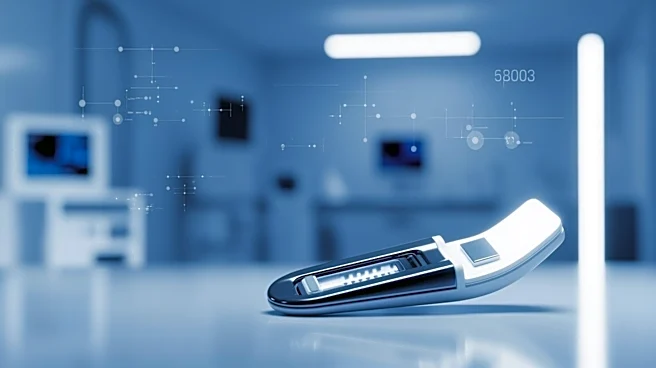
QuidelOrtho Corporation, a leader in in vitro diagnostics, has completed the acquisition of LEX Diagnostics for approximately $100 million. This acquisition includes the LEX VELO System, a rapid molecular diagnostics platform that received FDA 510(k)
clearance and a CLIA waiver in February 2026. The LEX VELO System is designed to deliver multiplex RT-PCR testing for Influenza A, Influenza B, and COVID-19 in about six to ten minutes. This acquisition is a strategic move by QuidelOrtho to accelerate growth in point-of-care molecular diagnostics, a rapidly expanding segment of the diagnostics market. The company plans to launch the LEX VELO System in the U.S. later this year, with global expansion to follow, pending regulatory approvals.
Why It's Important?
The acquisition of LEX Diagnostics by QuidelOrtho is significant as it strengthens the company's position in the molecular diagnostics market, particularly in point-of-care testing. This move is expected to enhance QuidelOrtho's ability to provide rapid, reliable diagnostic solutions, which are crucial for timely clinical decision-making. The integration of the LEX VELO System into QuidelOrtho's portfolio could lead to improved patient outcomes by enabling faster diagnosis and treatment. Additionally, this acquisition reflects a broader trend in the healthcare industry towards decentralizing diagnostics, making advanced testing more accessible in various care settings. The expansion of QuidelOrtho's capabilities could also have a positive impact on the company's financial performance and market competitiveness.
What's Next?
QuidelOrtho plans to initiate the U.S. commercial launch of the LEX VELO System later this year, with further global expansion anticipated. The company will likely focus on integrating the LEX technology into its existing operations and exploring new market opportunities. Regulatory approvals in international markets will be a key factor in the global rollout. Stakeholders, including healthcare providers and patients, may benefit from the enhanced diagnostic capabilities, while competitors in the diagnostics industry may respond with similar innovations or strategic acquisitions.