





What's Happening?
Worley has been selected by Dow to provide front-end engineering design (FEED) services for the cogeneration component of the Path2Zero project in Alberta, Canada. This project aims to establish the world's first net-zero emissions integrated ethylene
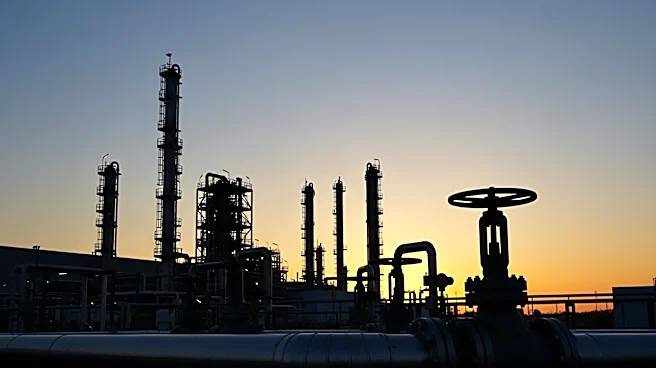
cracker and derivatives site for Scope 1 and Scope 2 emissions. Located in Fort Saskatchewan, Alberta, the project is expected to become a significant benchmark for industrial decarbonization in the chemicals sector. The initiative involves the installation of a cogeneration facility integrated with post-combustion carbon capture technology, with operations expected to commence by the end of 2030. The broader Path2Zero project aims to decarbonize approximately 20% of Dow's global ethylene capacity while tripling polyethylene production at the site. Once completed, the facility is anticipated to produce 3.2 million metric tons of low- to zero-carbon polyethylene and derivatives annually.
Why It's Important?
The Path2Zero project represents a significant step forward in industrial decarbonization, particularly within the chemicals sector. By integrating cogeneration and carbon capture technologies, the project aims to reduce emissions significantly, setting a new standard for sustainable industrial practices. This initiative not only supports Dow's commitment to reducing its carbon footprint but also aligns with broader global efforts to combat climate change. The successful implementation of this project could serve as a model for other industries seeking to achieve net-zero emissions, potentially influencing policy and investment in similar technologies. Additionally, the project underscores the growing importance of collaboration between engineering firms and industrial giants in achieving ambitious environmental goals.
What's Next?
As the project progresses, key stakeholders will likely monitor its development closely, particularly in terms of technological integration and operational efficiency. The success of the Path2Zero project could lead to increased investment in similar decarbonization initiatives across North America and beyond. Furthermore, the project's outcomes may influence regulatory frameworks and encourage the adoption of carbon capture technologies in other sectors. Stakeholders, including environmental groups and industry leaders, will be keen to assess the project's impact on emissions reduction and its potential to drive further innovation in sustainable industrial practices.