
What's Happening?
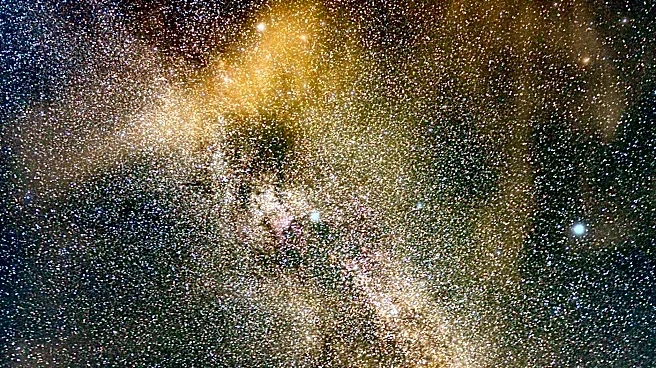
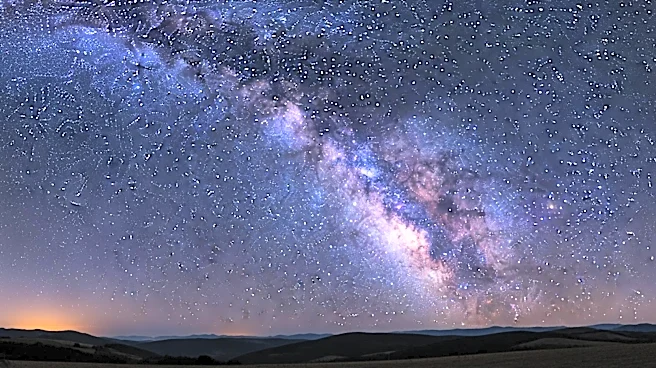
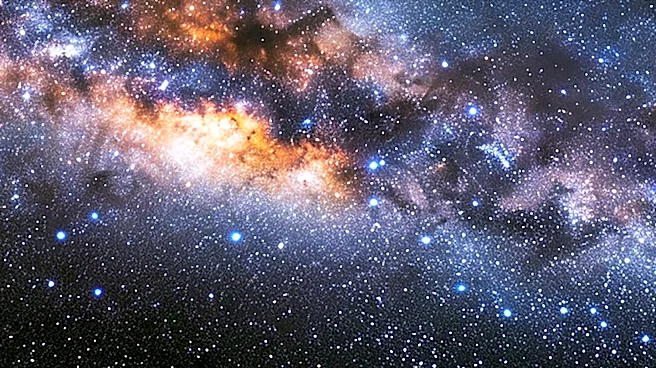
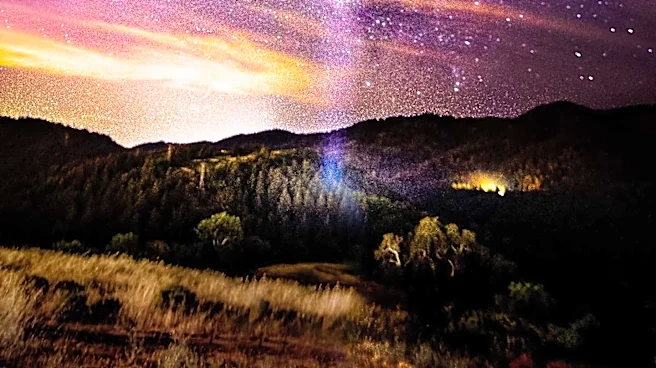
Skywatchers in the Northern Hemisphere will have an exceptional opportunity to view the Milky Way in detail around May 16, thanks to unusually dark skies. The galaxy's bright center will rise high in the southern
sky, providing a rare chance to observe its dense and luminous core. This period, known as 'Core Season,' typically runs from February to October, but the new moon on May 16 will enhance visibility by eliminating moonlight interference. The best viewing window will be from midnight until dawn, with the Milky Way appearing as a sweeping band of light across the sky.
Why It's Important?
This event offers a unique opportunity for both amateur and professional astronomers to observe the Milky Way's core, which contains billions of stars and cosmic dust clouds. The absence of moonlight will allow for clearer views of faint stars and interstellar structures, making it an ideal time for stargazing and astrophotography. The event also highlights the importance of preserving dark sky areas, as light pollution can significantly hinder astronomical observations. For the public, it provides a chance to connect with the cosmos and appreciate the vastness of the universe.
What's Next?
Astronomers and skywatchers are preparing for the event by identifying optimal viewing locations away from urban light pollution. National parks, rural areas, and deserts are recommended for the best experience. Apps like Dark Sky Finder can help locate ideal spots. Observers are advised to allow their eyes to adjust to the darkness for 20-30 minutes and to avoid bright screens. Binoculars can enhance the viewing experience by revealing additional details within the galaxy. This event may also inspire educational programs and public stargazing events to engage communities in astronomy.