
What's Happening?
BlackRock CEO Larry Fink has issued a warning that oil prices could surge to $150 per barrel if Iran continues to pose a threat to regional stability, even after the current conflict ends. In an interview on BBC's Big Boss Interview podcast, Fink highlighted
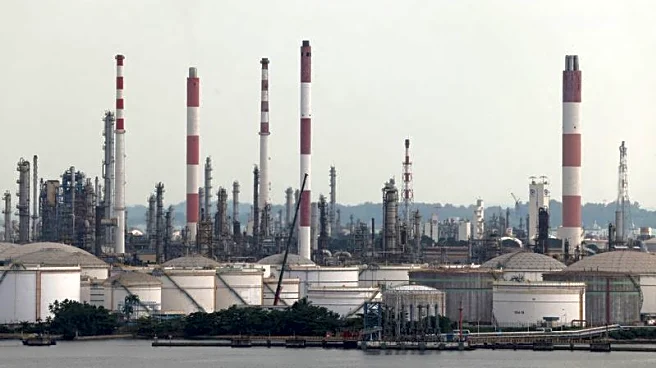
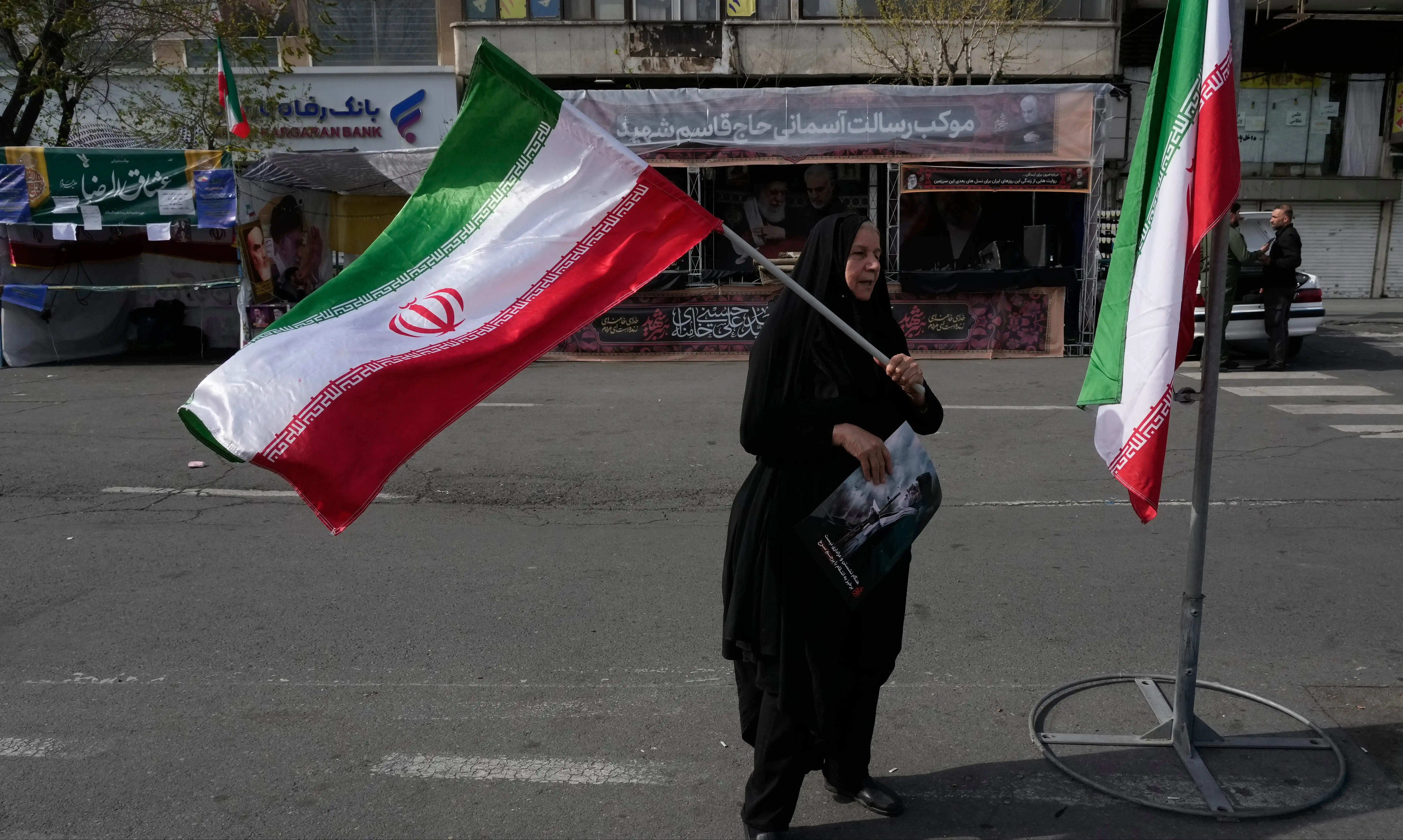
that ongoing threats to trade and the Strait of Hormuz could maintain oil prices above $100, potentially reaching $150, which would have significant economic implications. The Strait of Hormuz is a critical chokepoint, handling about one-fifth of the world's gas and crude supply. The current U.S.-Israeli conflict with Iran has already caused significant disruptions, nearly halting shipments through the strait. Oil prices have been volatile, recently dropping by 4% following reports of a U.S. proposal to Iran aimed at ending the conflict, which raises the possibility of a ceasefire.
Why It's Important?
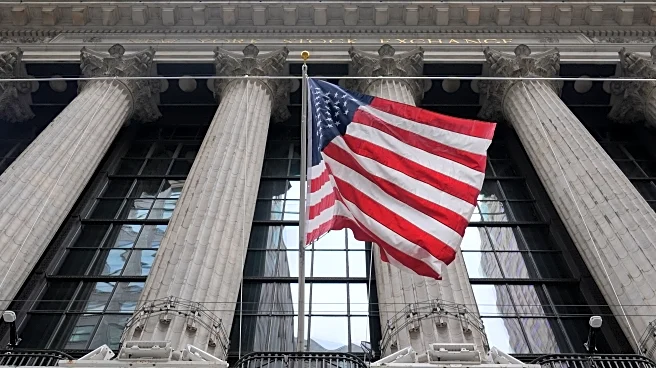
The potential rise in oil prices to $150 per barrel could have profound global economic consequences, including the risk of a global recession. Such a price increase would affect various sectors, from transportation to manufacturing, leading to higher costs for goods and services. The U.S. economy, heavily reliant on oil, could face inflationary pressures, impacting consumers and businesses alike. Additionally, the geopolitical tensions in the Middle East could lead to further instability in global markets, affecting investor confidence and economic growth. The situation underscores the vulnerability of global energy supplies to geopolitical conflicts, highlighting the need for diversified energy sources and strategies to mitigate such risks.
What's Next?
The future of oil prices and regional stability largely depends on the resolution of the current conflict and Iran's role in the region. If the U.S. proposal leads to a ceasefire, it could stabilize oil prices temporarily. However, long-term stability will require addressing the underlying geopolitical tensions. Major stakeholders, including governments and energy companies, will need to monitor the situation closely and prepare for potential disruptions. The international community may also need to engage in diplomatic efforts to ensure the security of critical trade routes like the Strait of Hormuz.