



What's Happening?
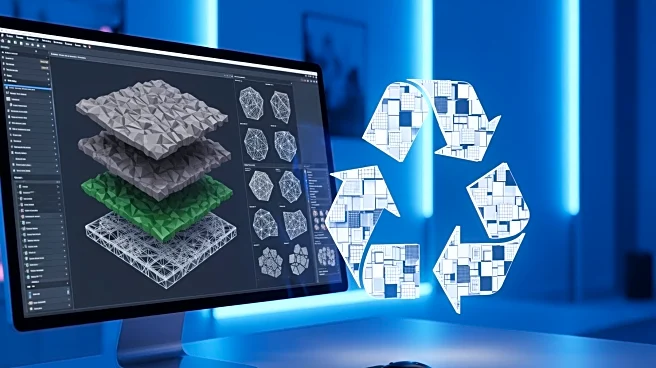
The gaming industry is increasingly embracing the reuse of assets as a necessary strategy to manage rising development costs and resource constraints. This shift is highlighted by comments from Alex Hutchinson, a director known for his work on Assassin's
Creed and Far Cry, who argues that the industry often redoes too much work unnecessarily. Historically, asset reuse was criticized as a sign of laziness, but it is now seen as a practical approach to game development. This change in perception is partly due to the success of Japanese studios like FromSoftware, which have normalized the creative recycling of game elements. The acceptance of asset reuse is becoming crucial for studios facing financial pressures, as it allows them to focus resources on new features and innovations rather than recreating existing elements.
Why It's Important?
The acceptance of asset reuse in the gaming industry is significant as it reflects a broader trend towards cost efficiency and sustainability in game development. As production costs soar and budgets tighten, studios are compelled to find ways to deliver high-quality games without excessive expenditure. This shift could lead to more frequent releases and updates, benefiting both developers and players. For developers, it means reduced production times and costs, while players may enjoy more consistent content updates. Additionally, this trend could influence the competitive dynamics of the industry, as studios that effectively leverage asset reuse may gain a competitive edge by reallocating resources to innovation and gameplay improvements.
What's Next?
As the industry continues to adapt to financial constraints, asset reuse is likely to become more prevalent. Studios may increasingly rely on existing assets to maintain production schedules and manage costs. This could lead to a more standardized approach to game development, where the focus shifts from creating entirely new assets to enhancing and innovating existing ones. The industry might also see a rise in collaborative efforts, where studios share resources and technologies to optimize development processes. Furthermore, the role of artificial intelligence in asset creation and management could expand, offering new tools for developers to streamline production while maintaining creativity and quality.