








What's Happening?
Arkansas' economic conditions saw a slight decline in May compared to April, as reported by the Creighton University Mid-America Business Conditions Index. Despite this decline, the state's economy remained in a growth trend, with the overall index for
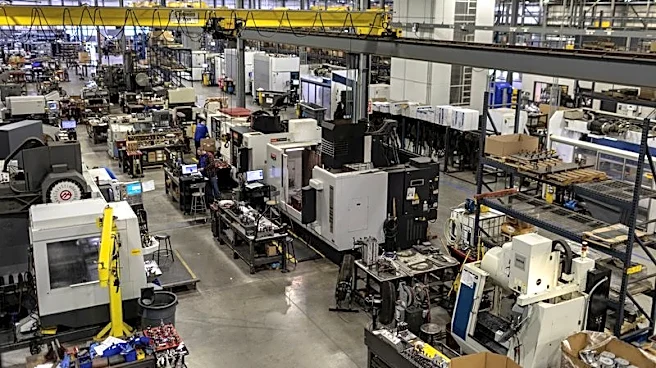
the nine-state region, which includes Arkansas, standing at 54.4 in May. This figure, although lower than April's 56, indicates continued economic growth as it remains above the growth-neutral mark of 50. The manufacturing sector, however, continued to face challenges, losing jobs for the tenth time in the past year. The employment index dropped to 47.0 in May from 50.2 in April. States like Iowa, Missouri, and Nebraska accounted for a significant portion of these job losses. The report also highlighted escalating wholesale inflation and a rise in the price gauge to its highest level in nearly four years, which could impact future Federal Reserve rate decisions.
Why It's Important?
The slight decline in Arkansas' economic conditions, particularly in the manufacturing sector, is significant as it reflects broader regional economic trends. The persistent job losses in manufacturing could have long-term implications for the state's workforce and economic stability. The rise in wholesale inflation and input prices, exacerbated by geopolitical tensions such as the Iran War, could lead to increased costs for businesses and consumers. This situation may also influence monetary policy decisions, potentially affecting interest rates and economic growth. The economic optimism index, although slightly improved, remains weak, indicating potential challenges ahead for business confidence and investment.
What's Next?
Looking forward, the economic outlook for Arkansas and the broader region may face further challenges due to rising energy prices and ongoing supply chain disruptions. These factors could continue to pressure the business confidence index, potentially leading to a more cautious approach from businesses regarding expansion and hiring. The Federal Reserve's response to inflationary pressures will be closely watched, as any changes in interest rates could impact borrowing costs and economic activity. Additionally, the resolution of geopolitical conflicts, such as the Iran War, will be crucial in stabilizing input prices and reducing inflationary pressures.