


What's Happening?
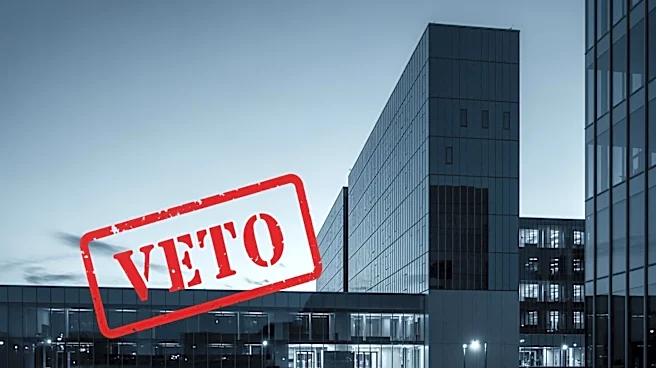
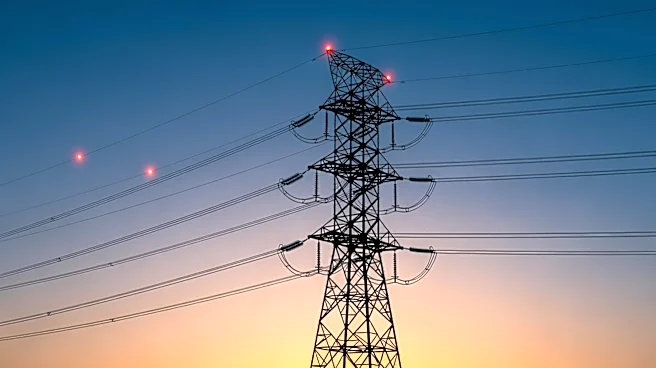
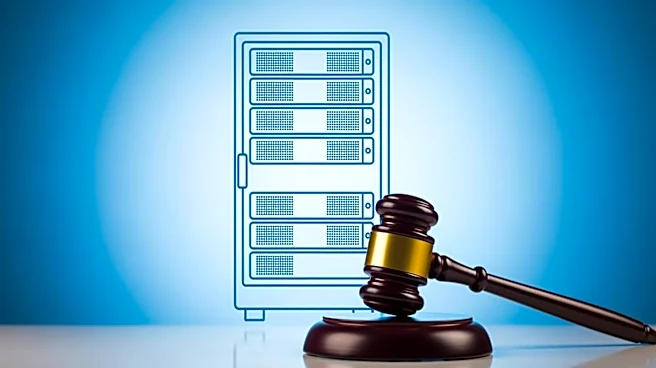
The U.S. energy grid is facing significant challenges as rising demand outpaces traditional solutions of increasing generation and capacity. The current focus is shifting towards better control and management of existing resources. States like Maine are
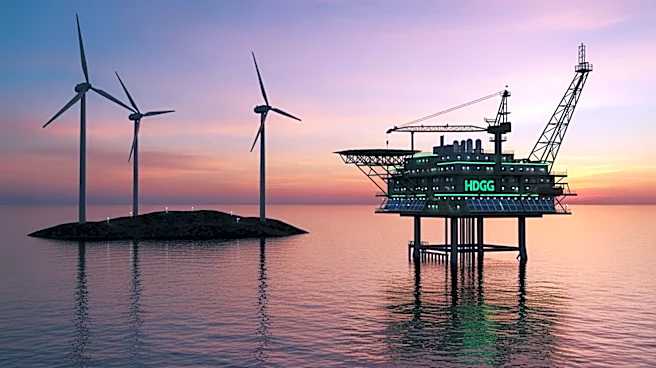
pausing new large-scale data center developments, reflecting the grid's struggle to accommodate new demand. Grid operators are prioritizing projects that demonstrate flexibility and readiness to adapt to system conditions. This shift requires data centers and other large-load operators to integrate onsite generation and demand management strategies to remain competitive.
Why It's Important?
The transition from fixed load to flexible grid assets is crucial for maintaining grid stability in the face of increasing demand. Data centers, traditionally passive consumers, are now being treated as active participants in grid management. This change is driven by the need for real-time coordination of power resources, which enhances grid resilience and efficiency. As AI and other technologies drive demand growth, the ability to manage and respond to grid conditions becomes a competitive advantage. This evolution in grid management is essential for supporting the U.S. energy transition and ensuring reliable power supply.