



What's Happening?
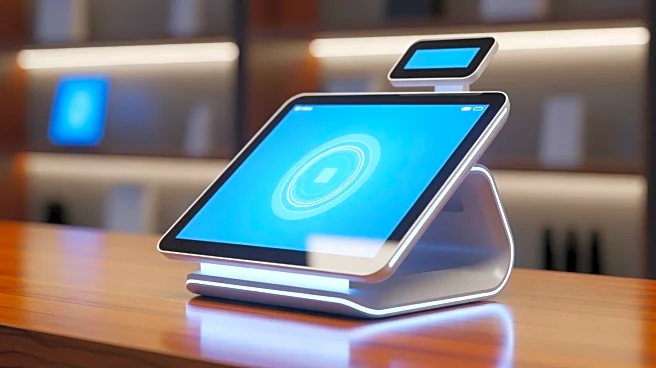
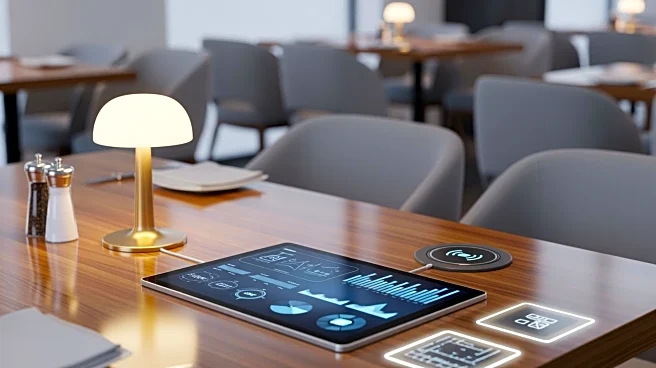
Restaurants are increasingly integrating advanced technology to streamline operations and enhance customer experience. Major chains like McDonald's, Chipotle, and Starbucks are adopting AI and digital tools to manage orders, inventory, and customer interactions
more efficiently. This shift is driven by the need to adapt to changing consumer behaviors, such as increased demand for delivery and mobile orders, and to manage rising labor costs. The integration of technology is seen as a survival strategy in a competitive market where consumers are more price-sensitive. For instance, McDonald's has expanded its use of in-restaurant kiosks and app-based ordering, while Chipotle has introduced an automated avocado preparation tool. Starbucks has implemented a generative AI tool to assist baristas. These advancements aim to unify data systems and improve operational efficiency, positioning restaurants as interconnected tech platforms.
Why It's Important?
The transformation of restaurants into tech-driven operations is significant for the industry as it addresses several challenges, including labor shortages and the need for operational efficiency. By leveraging technology, restaurants can better manage costs and enhance customer satisfaction, which is crucial in a market where consumer spending is uneven. The adoption of AI and digital tools allows restaurants to offer personalized experiences, improve loyalty programs, and maintain competitive edges. This shift also reflects broader economic trends, such as the K-shaped recovery, where affluent consumers continue to spend while others cut back. As restaurants invest in technology to protect margins and traffic, they must balance efficiency with maintaining the hospitality that defines their brand identity.
What's Next?
As restaurants continue to integrate technology, the focus will likely be on refining these systems to enhance both back-end operations and customer-facing services. Companies may further develop AI tools to provide real-time insights and support for staff, improving decision-making and customer interactions. The industry will also watch how these changes impact brand loyalty and customer retention, especially as economic conditions fluctuate. Restaurants may explore additional innovations, such as voice AI and advanced loyalty programs, to further differentiate themselves in a competitive market. The ongoing challenge will be to maintain the human element of hospitality while leveraging technology to drive efficiency and growth.
Beyond the Headlines
The integration of technology in restaurants raises questions about the future of the dining experience. As operations become more automated, there is a risk of losing the personal touch that defines hospitality. This shift could lead to a redefinition of what it means to dine out, with some establishments potentially resembling high-tech vending machines rather than traditional restaurants. The industry must navigate these changes carefully to ensure that technology enhances rather than detracts from the customer experience. Additionally, the reliance on technology may create new challenges, such as data security and the need for continuous system updates and maintenance.