

What's Happening?
In 2026, fashion trends have shifted towards practicality and enjoyment, moving away from the high-fashion influences of New York and Paris. The focus is now on real-life scenarios such as airport security lines and suburban sporting events. This year's
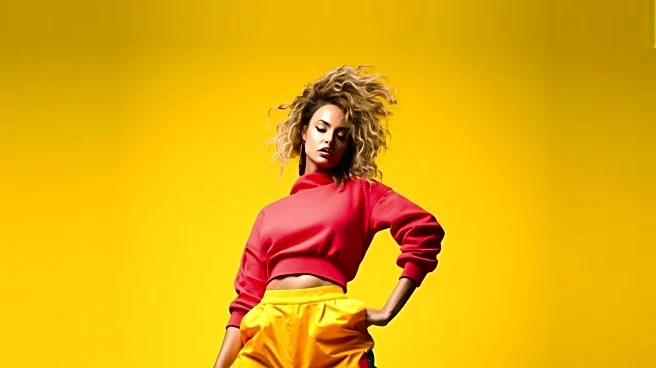
trends emphasize comfort with intention, featuring styles like barrel-leg denim with rugby shirts, and track pants with structured blazers. The color palette includes vibrant hues like tomato red and butter yellow, often paired in unexpected combinations. Textures such as mesh layers and quilted fabrics are also prominent, appearing in everyday settings like PTO meetings and self-checkout lines.
Why It's Important?
The shift in fashion trends towards functionality and fun reflects a broader cultural movement towards authenticity and practicality in daily life. This change is significant as it aligns with the needs of individuals who balance busy schedules with personal style. The emphasis on comfort and versatility in fashion can influence consumer behavior, encouraging purchases that are both stylish and practical. This trend may also impact the fashion industry by driving demand for more accessible and relatable clothing lines, potentially leading to changes in how fashion brands design and market their products.
What's Next?
As these trends continue to evolve, fashion brands may increasingly focus on creating collections that cater to the everyday needs of consumers. This could lead to more collaborations with influencers who embody this practical yet stylish approach. Additionally, retailers might adjust their marketing strategies to highlight the versatility and comfort of their products, appealing to a broader audience. The fashion industry may also see a rise in sustainable practices, as consumers seek clothing that is not only functional but also environmentally friendly.
Beyond the Headlines
The move towards practical fashion could have deeper implications for societal norms around dress codes and self-expression. As people embrace styles that reflect their real lives, there may be a shift in how fashion is perceived in professional and social settings. This trend could also influence the cultural narrative around fashion, promoting inclusivity and diversity by celebrating individual style choices. In the long term, this could lead to a more democratized fashion industry, where personal expression is valued over adherence to traditional fashion norms.