





What's Happening?
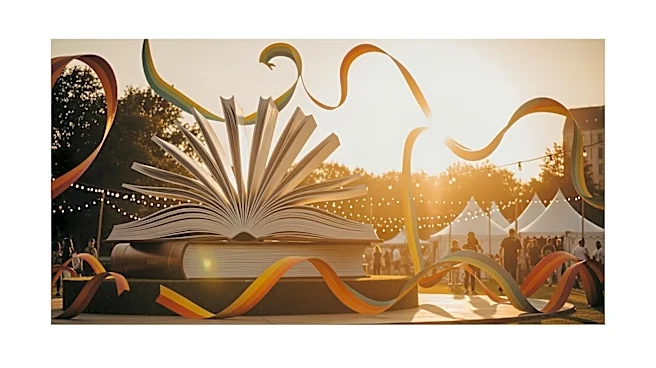
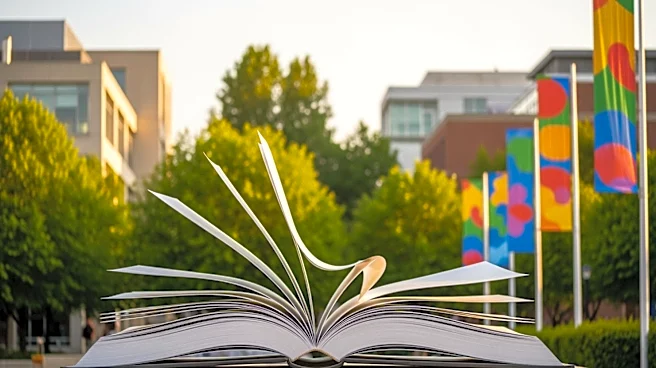
The Los Angeles Times Festival of Books commenced its 31st edition at the University of Southern California, drawing tens of thousands of attendees. The festival, recognized as the largest literary event in the United States, features over 550 storytellers
across eight outdoor stages and 12 indoor venues. The lineup includes notable figures such as comedian Larry David, musician Lionel Richie, and author Roxane Gay. The event offers a variety of activities, including author interviews, book signings, and performances. Highlights from the opening day included appearances by author T.C. Boyle and actors Sarah Jessica Parker and David Duchovny. The festival also hosted discussions on topics like wildfires in California and artificial intelligence, with former Georgia Rep. Stacey Abrams addressing voter suppression and AI's role in healthcare.
Why It's Important?
The Los Angeles Times Festival of Books serves as a significant cultural event, fostering literary appreciation and dialogue among diverse audiences. It provides a platform for authors and public figures to discuss pressing social issues, such as climate change and voter suppression, thereby influencing public discourse. The festival's ability to attract high-profile guests and large crowds underscores its role in promoting literacy and cultural engagement. By featuring discussions on topics like artificial intelligence and social justice, the festival encourages attendees to consider the broader implications of these issues on society. The event also highlights the importance of diversity in literature, as evidenced by the recognition of the literary nonprofit We Need Diverse Books.
What's Next?
The festival will continue through Sunday, offering more panels and discussions that are expected to draw significant attendance. Organizers anticipate between 150,000 and 155,000 visitors over the weekend. The event will feature additional appearances by authors and celebrities, providing further opportunities for engagement and learning. As the festival progresses, attendees can expect more discussions on current social and political issues, potentially influencing public opinion and policy. The festival's conclusion will likely see reflections on its impact and the connections fostered among participants.
Beyond the Headlines
The festival's emphasis on diversity and inclusion in literature reflects broader societal shifts towards recognizing and valuing diverse voices. The discussions on artificial intelligence and voter suppression highlight ongoing debates about technology's role in democracy and the need for regulatory frameworks. The event also serves as a reminder of the power of storytelling in shaping cultural narratives and fostering empathy. By bringing together a wide range of perspectives, the festival contributes to a more informed and engaged public, encouraging critical thinking and dialogue.