


What's Happening?
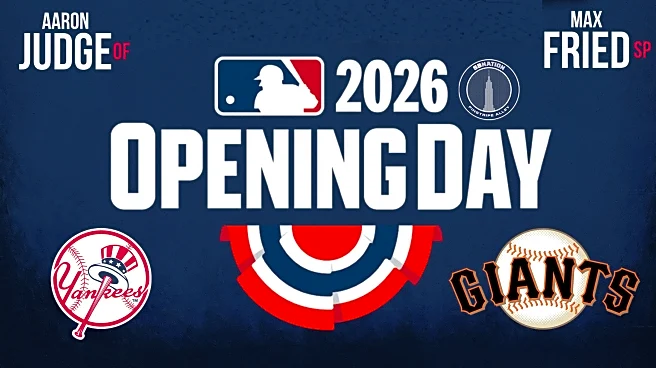
Major League Baseball (MLB) has implemented the Automated Ball-Strike System (ABS) for the regular season, starting with the New York Yankees' opener against San Francisco. This system allows teams to appeal strike zone decisions using a network of 12
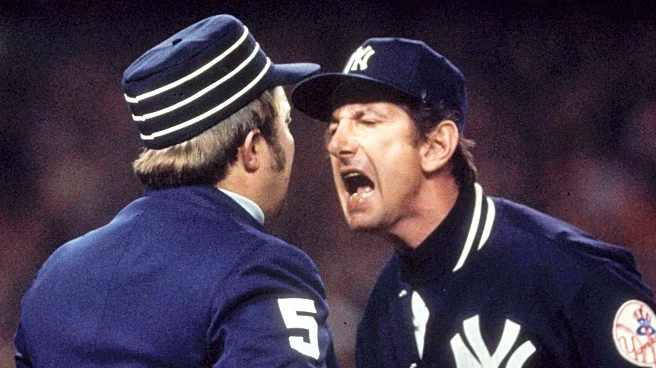
Hawk-Eye cameras. Richie Garcia, a former MLB umpire, expressed concerns that the system could embarrass human umpires by overturning their calls. The ABS provides each team with two challenges per game, retaining a challenge if successful, and grants an additional challenge in extra innings if needed. The system aims to improve accuracy, as last season's umpires achieved a 92.83% accuracy rate, the highest recorded, yet still missed an average of 10.88 calls per game.
Why It's Important?
The introduction of ABS represents a significant shift in how baseball games are officiated, potentially impacting the role and perception of human umpires. While the system aims to enhance accuracy and fairness, it raises concerns about the potential for undermining the authority and confidence of umpires. The move reflects a broader trend towards integrating technology in sports to minimize human error. However, it also highlights the tension between traditional aspects of the game and modern technological advancements. The system's success or failure could influence future decisions in other sports regarding the use of technology in officiating.
What's Next?
As the ABS is rolled out, MLB will likely monitor its impact on game dynamics and umpire performance. The league may adjust the system based on feedback from teams, players, and umpires. The success of the system could lead to its permanent adoption or expansion to other areas of the game. Conversely, significant backlash or technical issues could prompt MLB to reconsider or modify the system. Stakeholders, including players and fans, will be closely watching to see how the system affects the flow and fairness of games.
Beyond the Headlines
The implementation of ABS could have broader implications for the culture of baseball, challenging the traditional role of umpires and potentially altering the fan experience. The reliance on technology may lead to debates about the essence of the sport and the balance between human judgment and technological precision. Additionally, the system's introduction may prompt discussions about the future of umpiring as a profession and the skills required in an increasingly tech-driven environment.